The Evolution of Art-Tech Integration
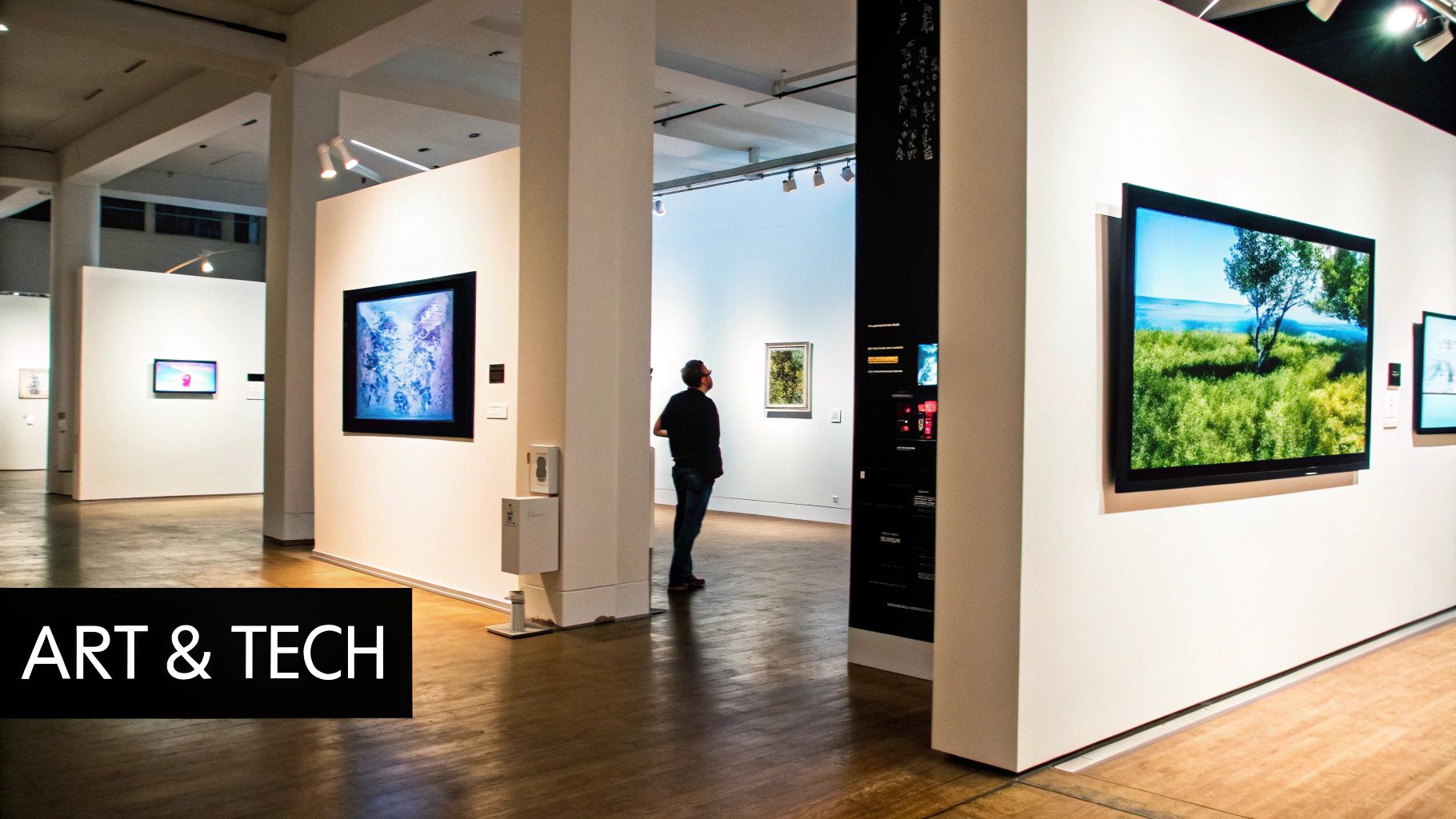
The fusion of art and technology has a long and fascinating history. Artists, ever curious and eager to explore new avenues of expression, have consistently embraced new tools and techniques. This has continually pushed the boundaries of art, redefining its possibilities. From the earliest cave paintings using natural pigments to the complex sculptures of ancient civilizations, technology has always been integral to artistic creation.
The invention of the printing press marked a significant turning point, revolutionizing the spread of artistic ideas and making art more accessible. Photography and film further blurred the lines between art and technology, introducing innovative ways to tell visual stories. Artists have always looked to technology as a means of innovation and self-expression.
The Rise of New Media Art
The 1960s saw artists like Roy Lichtenstein and Bridget Riley experimenting with new materials and techniques. Advancements in technology facilitated printing on acrylic and the use of reflective mylar. This period also witnessed the emergence of new media art, integrating computer technology into the creative process. The term 'new media art' itself was coined during this era, encompassing artistic practices that utilized computer technology as a fundamental element of production.
Contemporary artists now commonly use digital tools like 3D modeling, Photoshop, and virtual reality to create immersive experiences. This fusion has reshaped how art is perceived and experienced globally. Approximately 75% of contemporary artists incorporate digital tools in their work, highlighting technology's profound influence on artistic expression. This integration has given rise to entirely new art forms, pushing artistic boundaries and transforming how we interact with art. Explore this evolution further here.
The Digital Revolution and Its Impact on Art
Digital technologies have ushered in a new era of artistic possibility, offering unprecedented opportunities for experimentation and creation. The widespread availability of powerful software like Photoshop, Illustrator, and 3D modeling programs has democratized access to sophisticated tools. This empowers artists to manipulate images, create intricate designs, and construct virtual worlds. This has fueled the growth of digital art, a diverse genre encompassing practices from digital painting and photography to animation and virtual reality experiences.
The internet has become a vital platform for artists to connect with their audience, share their work, and foster communities. Platforms like Instagram, Behance, and DeviantArt have become indispensable tools for artists to showcase portfolios, gain exposure, and interact with fellow creatives. This online presence is increasingly essential for artists building their careers in the art world. These digital platforms enable artists to reach global audiences, transcending the limitations of physical galleries and democratizing the art world.
Digital Tools That Amplify Artistic Vision
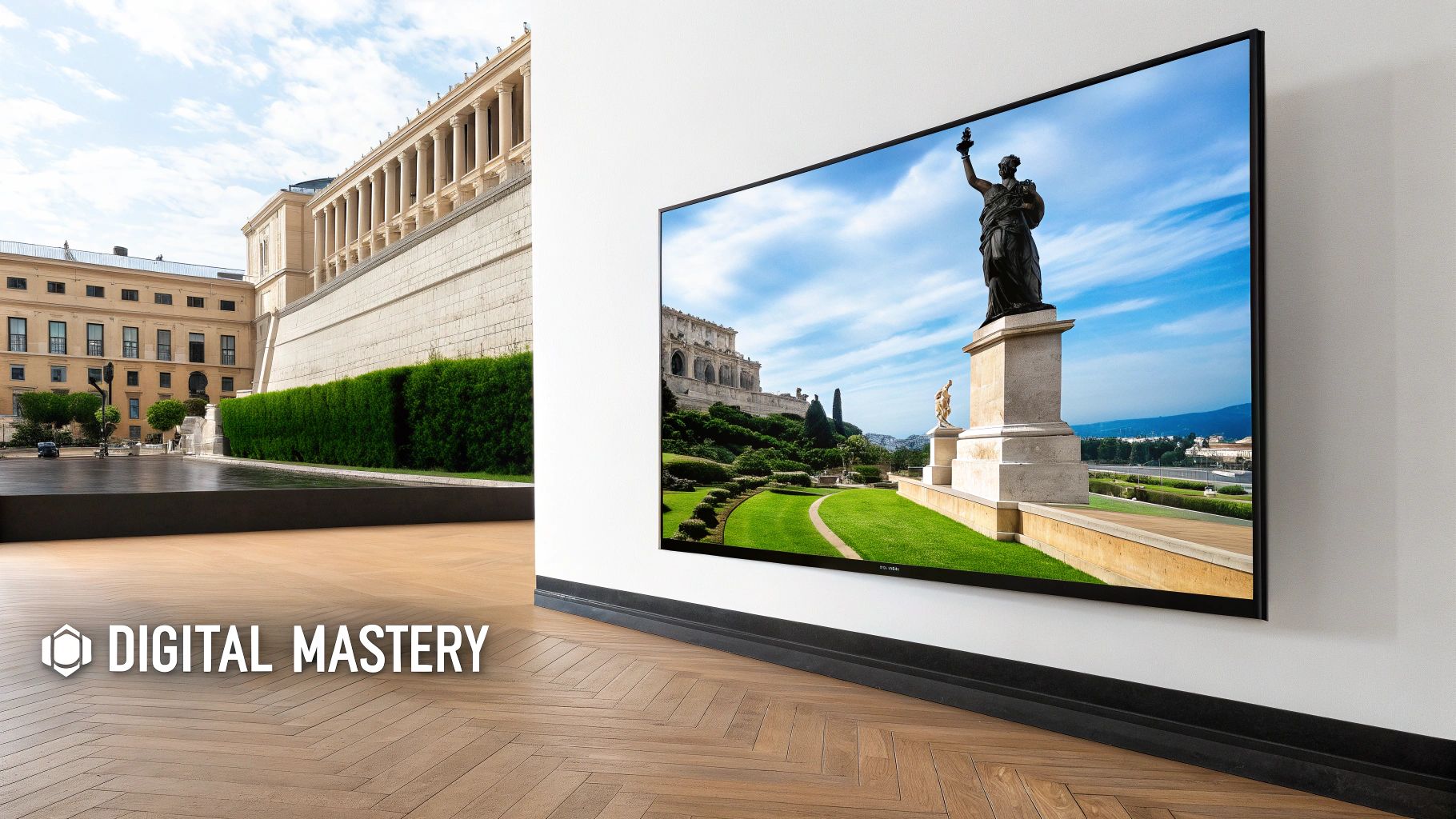
The intersection of art and technology has fundamentally changed how art is created and experienced. This fusion offers a wealth of possibilities, empowering artists to push their creative boundaries and explore new avenues of expression. From technologically enhanced traditional mediums to entirely new digital art forms, the tools available today are reshaping the artistic landscape.
Expanding the Canvas: Digital Tools for Traditional Artists
Technology is revolutionizing even traditional art forms. Painters, for example, are using projection mapping to transform static canvases into dynamic, interactive displays. This technique projects moving images and animations onto 3D surfaces, resulting in immersive art experiences.
Sculptors are using 3D printing to realize complex designs with remarkable precision, pushing the boundaries of form and material. This enables the creation of intricate sculptures previously impossible with traditional methods.
Performers are integrating interactive technology, such as motion capture and sensor-driven installations, blurring the lines between the physical and digital realms in their performances.
The Digital Toolbox: A Spectrum of Creative Technologies
The array of digital tools available to artists is ever-expanding. Adobe Photoshop and Adobe Illustrator have become indispensable for digital painting, graphic design, and image manipulation. 3D modeling software, such as Blender and Autodesk 3ds Max, empowers artists to create virtual sculptures and environments.
Generative AI tools are also gaining prominence, enabling artists to explore abstract expression and algorithmic art. These tools produce unique and unpredictable artworks, opening up exciting new creative avenues. For those interested in exploring the intersection of art and technology further, this guide on various tools related to art and technology offers a deeper dive.
To help illustrate the diverse range of tools available, let's examine a comparison table:
This table, "Digital Tools in Artistic Creation," compares various digital tools and their applications in art. It highlights key differences and similarities across technologies, providing insights into their artistic uses, learning curves, cost ranges, and notable artists who utilize them.
| Technology | Artistic Applications | Learning Curve | Cost Range | Notable Artists |
|---|---|---|---|---|
| Adobe Photoshop | Digital painting, photo editing, graphic design | Moderate | Subscription-based | Beeple |
| Blender | 3D modeling, animation, visual effects | Steep | Free and open-source | Andreas Gessler |
| Autodesk 3ds Max | 3D modeling, animation, rendering | Steep | Subscription-based | Alex Roman |
| Projection Mapping | Interactive installations, live performances | Moderate to Steep | Varies depending on equipment | Refik Anadol |
| 3D Printing | Sculpture, product design, prototyping | Moderate | Varies depending on printer and materials | Nervous System |
| Generative AI tools (e.g., Midjourney, DALL-E 2) | Creating unique and abstract digital art | Relatively low | Varies, often subscription-based | Refik Anadol |
This table provides a glimpse into the expanding world of digital art tools. As you can see, the options available cater to a wide spectrum of artistic styles and technical expertise.
Choosing the Right Tools: Navigating the Technological Landscape
With so many tools available, selecting the right ones can be daunting. Consider your artistic goals, technical skills, and budget. Some technologies, like generative AI, are relatively easy to learn, while others, like motion capture, require specialized knowledge and equipment. Learning curves vary, and some tools provide a greater creative return on investment than others. The power of combining art and technology lies in the ability to enhance your artistic vision and bring your ideas to life in new and exciting ways.
Global Initiatives Breaking Creative Boundaries
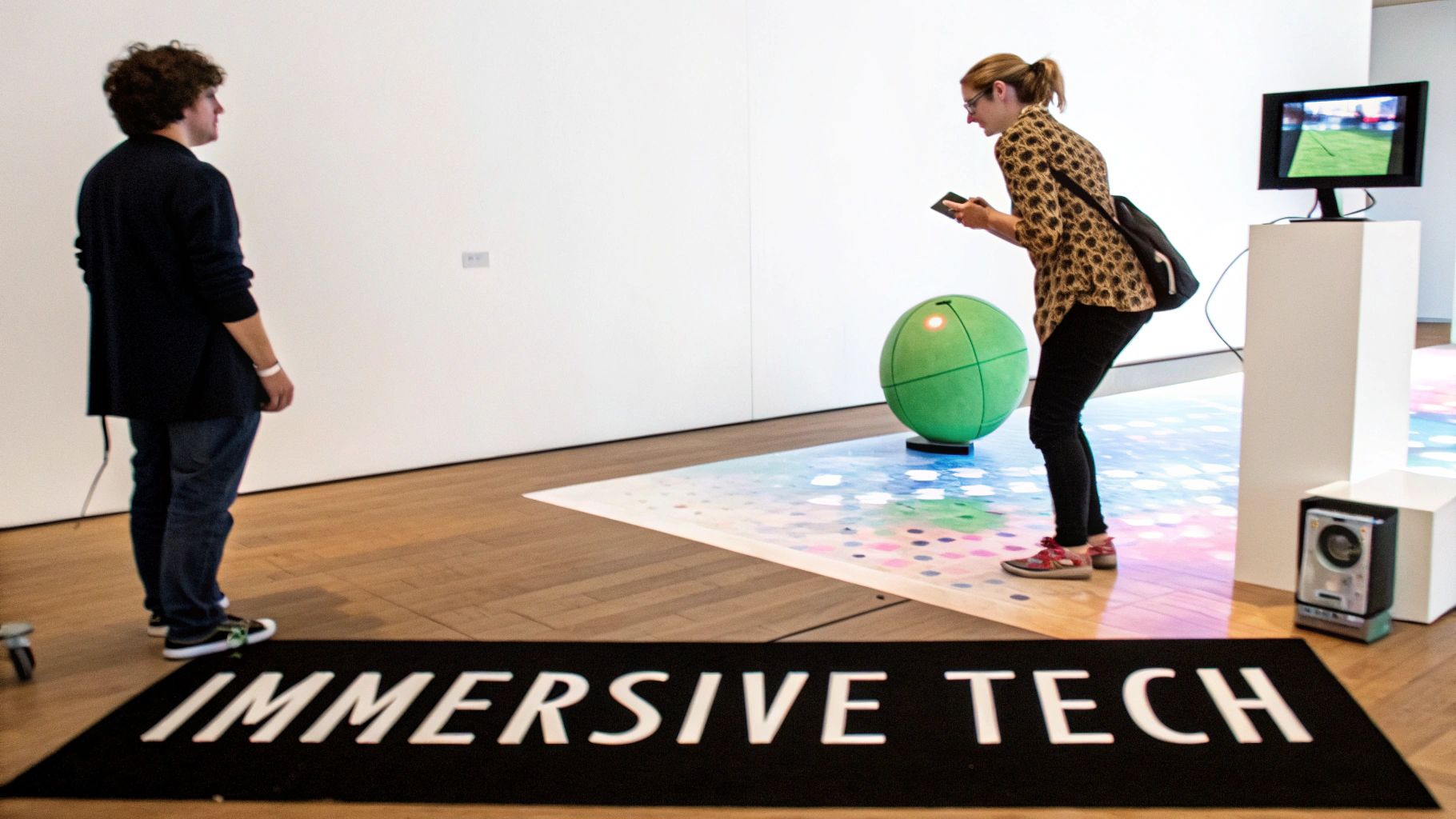
The intersection of art and technology is a global phenomenon, extending far beyond individual studios. Institutions around the world are investing in collaborative projects, recognizing the power of this fusion. This support is essential for driving interdisciplinary innovation and expanding the horizons of creative expression.
One notable example is the European Union's Science, Technology & the Arts (STARTS634439_EN.pdf)) program. This initiative fosters collaboration between artists, scientists, and technologists to drive innovation across diverse fields. Between 2015 and 2019, STARTS funded over 50 projects, showcasing the potential of merging artistic creativity with technological solutions for real-world challenges. This approach not only advances technological progress but also introduces a vital human-centered perspective to innovation.
Programs Across Continents: A Growing Movement
The success of STARTS has sparked the creation of similar programs worldwide. Countries in Asia, Africa, and the Americas are dedicating resources to support interdisciplinary projects. This global trend reflects a growing recognition of the synergistic relationship between art and technology, a movement poised for continued expansion as more institutions embrace the value of this intersection.
Accessing Opportunities: Insights and Pathways
These institutional programs provide valuable opportunities for artists engaged with technology. They offer funding, resources, and mentorship, all of which can significantly impact creative endeavors. Understanding the structure of these initiatives and their application processes is key to maximizing their potential.
-
Program Structures: Many programs feature residencies, workshops, and grants tailored for art-tech collaborations. These structured settings promote interdisciplinary exchange and knowledge sharing.
-
Keys to Success: Effective collaboration, clear communication, and a well-crafted project proposal are crucial for successful applications.
-
Accessing Opportunities: Information about these programs, eligibility criteria, and application deadlines is typically available on their respective websites. Vibecoding VIP offers additional resources exploring the innovative field of vibe coding.
Funding Models and Selection Criteria: Understanding the Process
Understanding the funding models and selection criteria of these initiatives is vital for developing a compelling application.
-
Funding Models: Various funding models exist, including grants, fellowships, and prizes, each with unique requirements and benefits.
-
Selection Criteria: Selection committees typically prioritize projects that demonstrate artistic merit, technological innovation, and potential societal impact. A well-defined project proposal with a clear vision and a practical execution plan is essential.
By grasping these factors, artists can effectively navigate the application process and increase their chances of securing institutional support. This support can significantly boost the development and impact of their creative work, bridging the gap between artistic vision and technological realization, and leading to meaningful advancements in the field.
Building a Sustainable Career in Art-Tech
For artists exploring the intersection of art and technology, building a sustainable career requires understanding both creative expression and business acumen. This means diversifying income while maintaining artistic integrity. How do successful art-tech professionals earn a living?
Revenue Streams in the Art-Tech World
Several effective business models are emerging for art-tech creators. NFT marketplaces offer new opportunities for buying, selling, and owning digital art. Artists can connect directly with collectors and earn royalties on secondary sales. Understanding platform fees and market fluctuations is crucial for navigating this space.
Corporate commissions provide another income stream. Businesses are increasingly commissioning technology-driven art installations and experiences, offering artists the chance to work on larger-scale projects with potentially higher earnings. Tech companies, for example, often commission interactive installations for their offices.
Grant funding is also a valuable resource. Organizations dedicated to art and technology innovation offer grants to artists pursuing groundbreaking projects. A strong artistic vision and a well-crafted proposal are key to securing these grants. Explore further with our guide on resources for funding and career development in art-tech.
Pricing Strategies and Creative Integrity
Pricing artwork appropriately is a challenge, particularly for experimental projects where market value is less established. Valuing your time, skills, and the unique aspects of your creations is essential. Consider factors like the complexity of the technology used, development time, and the potential impact of the work.
Balancing creative integrity with commercial viability is crucial for a sustainable career. This involves navigating the intersection of personal artistic expression and market demand. It's an ongoing process, but essential for long-term fulfillment.
Intellectual Property Considerations
Using emerging technologies in art presents unique intellectual property considerations. Protecting your work requires a strong understanding of copyright law, licensing agreements, and the implications of using open-source software. For example, using AI tools in your creative process necessitates understanding ownership rights related to the generated output. These are complex issues, but addressing them is vital for maintaining control over your work. You might find these resources related to art and technology helpful.
The Growing Art-Tech Market
The financial impact of art and technology is significant. The global digital art market is flourishing, with projections indicating continued growth. In 2022, the market for digital art, including blockchain-based art, reached hundreds of millions of dollars. Digital art platforms reported over $300 million in sales in the first half of 2022 alone. Over 80% of artists now utilize digital tools for creation, marketing, or sales, reflecting a fundamental shift in art production and consumption. This market expansion demonstrates a growing interest in art and technology, driving both economic and cultural innovation. For more detailed statistics, see this analysis.
Navigating Ethical Frontiers in Creative Tech
As technology becomes increasingly integral to art, ethical considerations are paramount. The innovative fusion of art and technology requires careful navigation of complex issues to ensure responsible creative practices. Artists must consider the broader implications of their work, especially concerning data privacy, environmental impact, and authorship.
Data Privacy in Interactive Installations
Interactive installations often collect audience data to personalize experiences. However, the ethical implications of this data collection, storage, and use must be carefully considered. Artists must obtain informed consent, clearly communicating how data will be used and offering options to opt out. Transparency is key to building trust with audiences.
This includes specifying the purpose of data collection, how long data will be stored, and if any third parties are involved. Leading practitioners are implementing data anonymization and secure storage practices to protect audience privacy. These measures provide a framework for responsible data handling and demonstrate a commitment to audience well-being.
The Environmental Impact of Digital Art
The environmental footprint of technology-driven art demands attention. The energy consumption associated with digital art practices, from creation and display to storage, contributes to carbon emissions. Artists are exploring sustainable practices like using renewable energy sources for installations.
Minimizing the use of energy-intensive hardware is also a key consideration. Further, exploring energy-efficient platforms and software for creating digital art is vital for lessening the environmental impact. This ongoing exploration reflects a growing commitment to environmentally conscious art practices.
Authorship in AI-Assisted Creation
AI-assisted art creation raises complex questions of authorship. When using AI tools, who owns the copyright? How do we credit the collaboration between artist and machine? Ongoing discussions and evolving legal frameworks are grappling with these issues.
Some artists advocate for shared authorship, recognizing the contributions of both human and artificial intelligence. Others explore licensing agreements that clearly define ownership rights. Developing standardized crediting practices for these collaborative works is crucial for respecting the contributions of all involved.
Developing Your Ethical Framework
Ethical art and technology integration requires continuous reflection and adaptation. Establishing clear data privacy guidelines, reducing the environmental impact of your work, and transparently addressing authorship issues are essential. Developing your own ethical approach, aligned with your values and fostering audience trust, is crucial.
This involves staying informed about evolving best practices and participating in open discussions about the ethical dimensions of art and technology. By engaging in these conversations, artists can contribute to a more responsible and ethically conscious creative landscape.
Your First Art-Tech Project: A Practical Roadmap
Combining art and technology can feel overwhelming for beginners. Where do you begin? This section offers a practical roadmap for artists of all levels to integrate technology into their creative process. Whether you're a painter, sculptor, musician, or digital artist, you'll find a path tailored to your background and objectives.
Identifying Your Entry Point
The first step is finding the right starting point based on your current skills and available resources. Are you comfortable with coding? Do you have access to 3D printers or other specialized equipment? Your artistic background also plays a significant role. A traditional painter might explore projection mapping, while a musician could experiment with electronic music software.
-
Traditional Artists: Explore digital tools like Krita that complement your current practice. Painters can experiment with digital painting software like Autodesk Sketchbook or projection mapping. Sculptors might use 3D modeling software like Blender and 3D printing to create intricate forms.
-
Digital Natives: Push the boundaries of digital art by exploring generative AI, virtual reality using tools like Unreal Engine, or interactive installations.
-
Musicians: Experiment with electronic music software like Ableton Live, synthesizers, and Digital Audio Workstations (DAWs) like Pro Tools to create unique soundscapes.
Finding Collaborators and Communicating Your Vision
Art-tech projects often benefit from collaboration. Finding partners with complementary technical skills is important. Online communities, local maker spaces, and universities are great places to connect with potential collaborators.
Clearly communicating your artistic vision across disciplines is crucial. This involves learning the language of both art and technology. Use visual aids, prototypes, and clear explanations to ensure everyone is on the same page. Check out our guide on How to master Adobe XD for tips on design collaboration using Adobe XD.
Managing Interdisciplinary Projects
Managing art-tech projects demands strong organizational skills. Create a clear project plan with milestones, timelines, and budgets. Use project management tools like Asana to track progress and communicate with team members.
To help you visualize the possibilities, the table below outlines several pathways you can consider.
The following table, "Pathways to Art-Tech Integration," presents different approaches for artists with diverse backgrounds to begin combining art and technology. It outlines potential entry points, necessary skills, suggested tools, approximate timelines, and potential challenges.
| Background | Entry Point | Required Skills | Recommended Tools | Timeline | Expected Challenges |
|---|---|---|---|---|---|
| Painter | Projection Mapping | Basic coding, software proficiency | MadMapper, Resolume | 2-3 months | Technical setup, calibration |
| Sculptor | 3D Printing | 3D modeling, material knowledge | Blender, Cura, 3D printer | 1-2 months | Material limitations, printing time |
| Musician | Electronic Music | Music theory, software proficiency | Ableton Live, Logic Pro X | Ongoing | Sound design, technical proficiency |
| Digital Artist | Generative AI | Coding, algorithmic thinking | Processing, Python libraries | Varies | Computational resources, artistic control |
This table summarizes potential entry points for artists of different backgrounds, alongside the skills, tools, and timelines you might expect. It also highlights some common challenges you might encounter.
Learning From Real-World Examples
Studying successful art-tech projects offers valuable insights. Look for projects with similar budgets and technical complexity. Analyze their strategies for collaboration, communication, and project management.
Avoiding Common Pitfalls
Many initial art-tech projects face similar challenges. One common mistake is underestimating the project's technical complexity. Careful planning and testing are essential. Another challenge is communication between artists and technologists. Establishing a shared language and workflow can prevent misunderstandings.
By following this roadmap and learning from the experiences of others, you can improve your chances of creating a successful art-tech project. Remember that experimentation and continuous learning are vital parts of the process. Don't be afraid to explore, and enjoy the journey of merging art and technology!
Future Frontiers: Where Art and Technology Are Heading
Combining art and technology isn't a novelty anymore; it's a burgeoning field constantly pushing the boundaries of creative expression. But where do we go from here? What emerging technologies are poised to reshape how we create and experience art in the coming years?
Brain-Computer Interfaces: The Art of Thought
Imagine creating art using only the power of your mind. Brain-computer interfaces (BCIs) are steadily moving out of science fiction and into reality, enabling direct communication between our brains and external devices. While still largely in the experimental stage, BCIs hold immense potential for artistic expression. Artists could translate their brainwaves into music, visual art, or even interactive installations, unlocking entirely new dimensions of creativity.
This also raises important questions about the nature of authorship and the very definition of artistic intent. Some BCI tools are becoming more accessible to independent creators, while others remain primarily within research labs. For example, researchers are developing BCIs that allow users to control robotic arms for painting or sculpting, offering a new level of precision and control. Others are exploring how BCIs can translate brainwaves into musical notes, effectively composing music with the mind.
Synthetic Biology: Living Art
Synthetic biology represents another exciting frontier where art and technology intersect. This field involves engineering biological systems to create new forms of life, providing artists with a truly radical new medium. Imagine sculptures crafted from living, growing tissue, or interactive installations powered by microbial communities.
Synthetic biology naturally raises ethical considerations, particularly regarding the responsible creation and manipulation of life. However, it also presents the potential for art that literally lives and breathes. This intersection of art and technology is already being explored. Some artists are creating sculptures from mycelium, the root structure of fungi. Others are using bacteria to create vibrant, ever-changing patterns on canvases.
Extended Reality: Blurring the Lines Between Worlds
Extended reality (XR), encompassing virtual reality (VR), augmented reality (AR), and mixed reality (MR), is transforming how we experience art. XR allows artists to create immersive environments that seamlessly blend the physical and digital realms. Imagine stepping inside a painting, interacting with virtual sculptures, or experiencing a performance that merges live actors with digital characters.
XR offers artists unparalleled opportunities to engage audiences in entirely new ways. Museums are already using AR to enhance exhibits, enabling visitors to interact with artifacts and learn about their history. Artists are creating VR experiences that transport viewers to other worlds, allowing them to explore and interact with virtual environments.
The Evolving Relationship Between Human and Machine
Beyond specific technologies, the future of art and technology hinges on exploring the evolving relationship between human expression and computational systems. As AI and other technologies advance, artists are discovering new ways to collaborate with machines. This collaboration prompts fundamental questions about the nature of creativity and technology’s role in the creative process.
Are these systems tools, partners, or something else entirely? Are we moving toward a future where art is co-created by humans and machines? These questions and challenges will be central to the ongoing evolution of art and technology, shaping how we define art in the years to come.