The Evolution of Art and Technology's Powerful Dance
Art and technology, seemingly different worlds, have always been intertwined. From the first cave paintings, where simple tools helped shape artistic expression, to the digital art of today, this relationship has constantly redefined creativity. It's a connection deeply rooted in the human experience.
Early Intersections: Tools and Techniques
Think about the creation of pigments and brushes. These innovations gave artists a greater range of colors and finer control. The invention of the printing press democratized access to literature and images, changing how stories were told and experienced. Technological advancements have consistently given artists new mediums and broader audiences. The camera, for instance, revolutionized the 19th-century art world, leading to photography and film.
The Digital Revolution: A New Era of Creativity
The 20th century saw rapid technological advancements, further merging art and technology. The arrival of computers in the 1960s brought about computer-generated art, creating entirely new artistic possibilities. Digital design tools in the 1990s transformed graphic design, animation, and filmmaking. This era laid the foundation for today's digitally driven art world, enabling artists to explore new forms, manipulate images in innovative ways, and build immersive digital experiences.
This fusion of art and technology has also generated significant job opportunities. In 2021, the U.S. had 265,000 graphic design jobs, and projections estimate 24,800 new positions will be added. While traditional design remains relevant, there's a growing need for skills in AI art tools, 3D modeling, and VR/AR content creation. This highlights technology's increasing importance in the field. The World Economic Forum's large nature model uses millions of images, sounds, and climate data to help artists create immersive environmental artworks, showcased in venues like London's Serpentine Gallery. For more detailed statistics, explore this resource: Learn more about the fusion of art and technology.
The Future of Combining Art and Technology
The 21st century continues this exciting journey. Artificial intelligence and blockchain technology are blurring the boundaries between art and technology. AI tools are making creativity accessible to everyone, while blockchain is changing how art is owned and valued. These technologies are not just new tools; they offer new ways of understanding art itself. They challenge traditional concepts of authorship, originality, and the very definition of art. This evolution promises to reshape how we create, experience, and interact with art in the future.
AI's Creative Revolution: Expanding Artistic Possibilities
Artificial intelligence is rapidly changing the art world, not as a replacement for artists, but as a powerful new creative partner. Platforms like DALL-E 2, Midjourney, and Stable Diffusion are making digital art creation accessible to anyone with a computer and an internet connection, simply by using text prompts. This democratization of art is breaking down traditional barriers and opening up exciting new avenues for combining art and technology. You can learn more about DALL-E 2 here: DALL-E 2.
The Mechanics of AI Art Generation
These AI-powered tools use deep learning models called Generative Adversarial Networks (GANs) to create images from text descriptions. GANs consist of two parts: a generator that creates images and a discriminator that critiques them. The generator continuously refines its output based on the discriminator's feedback, resulting in images that closely match the given text prompt. This process allows for incredible flexibility and experimentation.
Artists are even developing sophisticated prompt engineering techniques. By carefully crafting specific phrases, they can influence the AI to generate images with particular styles, subjects, and aesthetics. This adds another layer of creative control to the process.
AI as a Collaborator, Not a Replacement
AI art generation tools don't replace the artist; they become collaborative tools. Artists are finding innovative ways to integrate AI-generated outputs with their existing workflows. Some artists paint over or enhance digital creations, while others incorporate them into sculptures or use them as inspiration for larger works. This fusion of traditional and digital art forms is blurring the lines between human and machine artistry and opening entirely new creative pathways. Find out more about digital art tools and their impact: How to master various digital art tools.
Navigating the New Paradigms of Creation
This new era of AI-assisted art raises important questions about authorship, originality, and ethics. The art community is actively discussing these complex issues. For example, who owns the copyright to an AI-generated image? How do we define originality when a machine contributes to the creative process? These are ongoing discussions as artists and the broader community navigate this evolving landscape.
The Growing AI Art Market and Its Impact
The AI art market is experiencing significant growth. It's projected to reach $40.3 billion by 2033, with a CAGR of 36.8% between 2024 and 2033. This rapid growth reflects the widespread adoption of AI art generation tools. Stable Diffusion, for instance, reported over 10 million users by August 2022. The generative AI segment is expected to grow at a 34.2% CAGR during the same period, transforming how institutions and artists approach digital art. For a more detailed analysis of the market, see: AI in the Art Market Statistics.
To better understand the current landscape, let's look at a comparison of popular AI art generation platforms:
To help understand the current landscape, let's look at a comparison of some popular platforms:
Popular AI Art Generation Platforms Comparison
This table compares key features, pricing, and capabilities of leading AI art generation platforms.
| Platform | Pricing Model | Key Features | Learning Curve | Output Quality |
|---|---|---|---|---|
| DALL-E 2 | Credit-based | Realistic imagery, edits within generated images | Moderate | High |
| Midjourney | Subscription-based | Distinct artistic styles, active community | Moderate | High |
| Stable Diffusion | Open-source, various access options | Highly customizable, local installation possible | Steeper | High, but variable |
The table highlights the variety in pricing models, features, and learning curves. While all three platforms offer high-quality output, they cater to different needs and levels of technical expertise. DALL-E 2's inpainting and outpainting features stand out. Midjourney is known for its artistic styles, and Stable Diffusion offers extensive customization options.
The Human Element Remains Essential
Despite the power and potential of AI art generation tools, the human element remains fundamental to the creative process. The artist's vision, intent, and creative choices guide the AI. Artists interpret the results, select the most compelling images, and incorporate them into a larger artistic context, imbuing the final work with meaning. The future of art lies in this dynamic interplay between human creativity and the capabilities of artificial intelligence.
NFTs and Blockchain: The Ownership Revolution
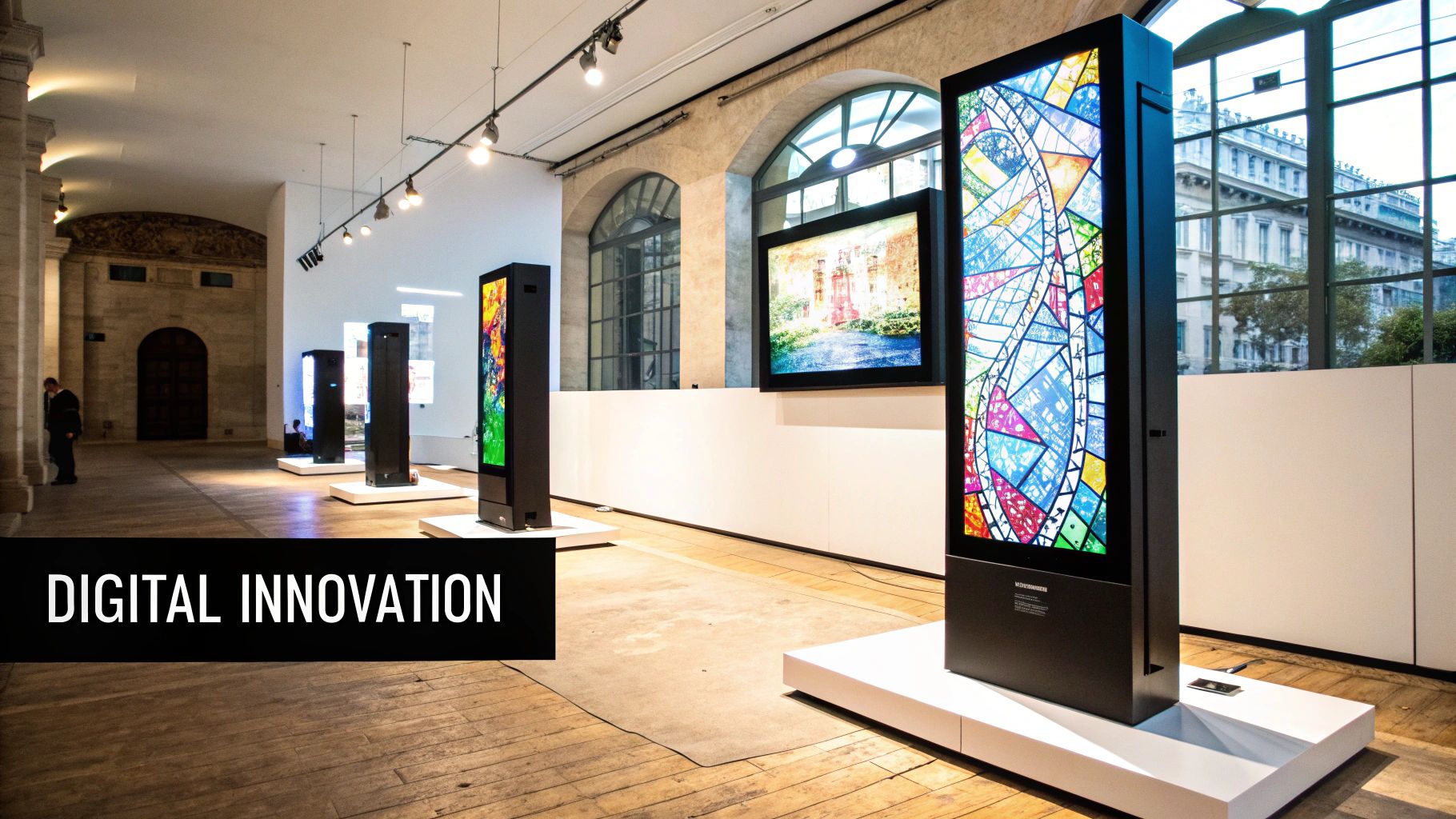
Blockchain technology has changed how we interact with digital art. It impacts how we value and authenticate creative work online. The concept of scarcity is now applicable to a medium that was once easily reproduced. This allows verifiable ownership for digital creations.
NFTs: Creating Scarcity in a Digital World
Non-Fungible Tokens (NFTs) are unique digital assets. They represent ownership of a specific item, like an image, video, or music. Blockchain technology guarantees this uniqueness. It provides a permanent and transparent record of ownership. This changes how we think about digital art. Before NFTs, copying and sharing digital files was simple. Now, artists can establish clear ownership of their creations.
This also connects artists directly with collectors. Traditional gatekeepers like galleries and auction houses can be bypassed. This democratization of the art market lets artists sell their work directly to a global audience. The use of AI in art generation is also developing. AI Generated Coloring Pages is one example.
Blockchain and the Democratization of Art
Platforms like Foundation and OpenSea are now major NFT marketplaces. They enable direct connections between artists and collectors. These platforms facilitate millions in transactions annually. This demonstrates the growing digital art market. The careers of many digital artists, like Beeple, have been transformed. Beeple went from relative obscurity to record-breaking sales. NFTs use blockchain-based authentication, creating scarcity for replicable works. By 2024, NFTs were a cornerstone of ArtTech, blending cryptography and creative expression. Learn more here: Exploring Art Technology.
Addressing Environmental Concerns
It's important to consider blockchain technology's environmental impact. The energy consumption of some blockchains is a concern. This has led to more sustainable options, like proof-of-stake blockchains. These use significantly less energy. For instance, blockchains like Ethereum have transitioned to proof-of-stake. These changes offer a more sustainable future for NFTs and ArtTech.
The intersection of art and technology is still evolving. NFTs and blockchain technology are a shift in how we create, experience, and value art. As technology advances, expect further innovation in the art world. This presents challenges and opportunities for artists and collectors. The future of art lies in combining creativity with technology in sustainable ways.
Beyond Screens: Immersive Art Experiences That Transform
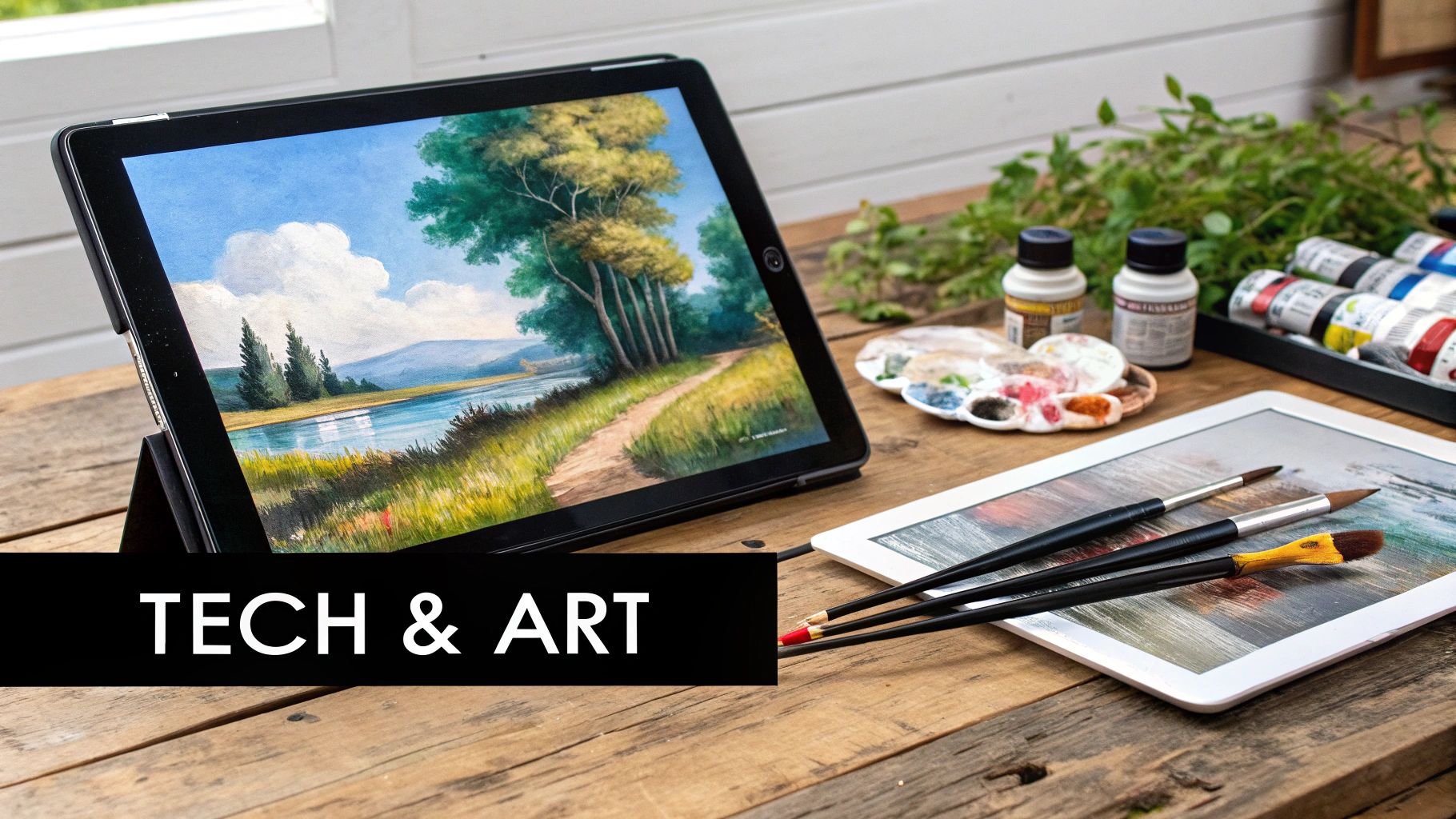
Forget passively observing art. Today's intersection of art and technology allows us to step inside the artwork and become active participants. This shift creates exciting new dynamics between artists, audiences, and the environments they share. This section explores how augmented reality (AR), virtual reality (VR), and interactive installations are reshaping the art world.
Stepping Into New Worlds: AR and VR in Art
Augmented reality overlays digital elements onto the real world, enhancing our perception of existing environments. Imagine pointing your phone at a sculpture and seeing it come alive with animation. Or perhaps accessing additional information about its creation. AR creates opportunities for artists to add layers of meaning and interactivity to their work.
VR, on the other hand, creates entirely simulated environments. This allows for immersive experiences where viewers can explore fantastical worlds and interact with virtual objects. They can engage with art in entirely new ways. Internationally accessible VR exhibitions are making art more inclusive and accessible to a global audience. For those interested in the technical side, check out this guide on examples of code for interactive art.
Interactive Installations: Bridging the Physical and Digital
Interactive installations blur the lines between the physical and digital realms. These often involve physical spaces that respond to the viewer's presence or actions. For example, sensors might trigger changes in lighting, sound, or projected images based on movement or touch.
This dynamic creates a feedback loop between the artwork and the viewer, turning the audience into active participants in the artistic experience. This level of engagement transforms the way people interact with and interpret art.
TeamLab’s Borderless Museums: A Case Study in Immersion
TeamLab, a Japanese art collective, showcases the potential of immersive art experiences. Their borderless museums feature stunning digital projections that react to the viewer’s presence. This creates ever-changing environments that blend art, technology, and natural elements.
These installations invite visitors to explore, play, and become part of the artwork itself. This approach transforms the traditional museum experience from passive observation to active participation.
The Challenges and Opportunities of Immersive Art
Creating truly immersive art experiences involves significant technical challenges. Artists and technologists must collaborate closely to overcome hurdles in areas like spatial computing, real-time rendering, and interactive design. This interdisciplinary approach requires new skill sets and collaborative workflows.
However, these new formats attract new audiences to contemporary art, expanding its reach and impact. These technologies offer artists exciting opportunities to explore new forms of storytelling and build deeper emotional connections with their audiences.
This immersive approach isn't just about novelty; it's about forging entirely new relationships between art and its audience. As these technologies evolve, the potential for creating even more powerful and engaging art experiences expands. This makes the intersection of art and technology a dynamic and exciting field to explore.
Art, Technology, and Impact: Creating Change Together
Art and technology have converged to become a potent force for addressing critical global issues. This innovative approach transcends mere aesthetics, employing creative tools to tackle complex social problems, making them both understandable and emotionally resonant. Let's explore how artists are using technology to effect meaningful change.
Data Visualization: Making the Invisible Visible
Data can be complex and challenging to comprehend. However, art offers a way to transform this data into compelling narratives. Data visualization, a powerful tool at the intersection of art and technology, converts raw information into visually engaging formats. Artists leverage these techniques to communicate intricate issues related to climate change, social inequality, and public health, making the data accessible and impactful for a broader audience.
For example, projects visualizing deforestation rates can concretize the often abstract concept of environmental damage, creating a stronger emotional connection with viewers. Similarly, visualizing income disparity within a city can effectively highlight inequalities and spark crucial conversations about social justice. For further exploration, consider these Resources for combining art and technology.
AI and Immersive Technologies: Amplifying Artistic Impact
Beyond data visualization, artists are utilizing AI systems and immersive technologies such as Virtual Reality (VR) and Augmented Reality (AR) to craft impactful experiences. AI can generate art that reflects complex data sets, resulting in interactive installations that respond to viewer input. Immersive technologies can transport viewers directly into simulated environments, enabling them to connect with issues on a visceral level.
This method is particularly effective in raising awareness about climate change. Imagine a VR experience that immerses viewers in a melting glacier, allowing them to witness the effects of global warming firsthand. These immersive experiences can have a profound emotional impact, fostering empathy and inspiring action.
Collaboration and Interdisciplinary Approaches
Addressing global challenges necessitates collaboration. Artists are increasingly partnering with scientists, activists, and communities to develop innovative solutions. These collaborative efforts bridge the gap between disciplines that have traditionally been separate.
This interdisciplinary approach brings together diverse perspectives and skillsets, leading to more comprehensive and effective projects. Artists contribute their creative vision and ability to connect with audiences emotionally, while scientists and activists provide data, research, and valuable on-the-ground experience.
Building Bridges and Inspiring Action
The fusion of art and technology is more than just creating visually appealing works; it's about building bridges and inspiring action. By making complex issues accessible and emotionally engaging, artists and technologists are empowering individuals to understand and contribute to finding solutions. This intersection of art and technology holds immense potential to drive positive change globally. Through creative exploration and innovative strategies, we can harness the power of art and technology to tackle pressing issues and work towards a more sustainable and equitable future.
Forging Your Path at the Art-Technology Frontier
The intersection of art and technology has created exciting new career opportunities. These roles demand a unique blend of artistic vision and technical skills, unlike anything we've seen before. This section explores these emerging fields and how you can thrive in this dynamic landscape.
Navigating the Emerging Landscape of Art-Tech Careers
As art and technology continue to intertwine, new career opportunities are constantly appearing. Roles like Creative Technologist, AI Artist, Digital Curator, and Experiential Designer are increasingly sought after. These positions require individuals who can bridge the gap between artistic expression and technical execution.
-
Creative Technologists: These professionals blend creative thinking with technical skills to develop innovative projects and experiences. They might create interactive installations, build software for artistic applications, or pioneer new ways to use technology for creative expression.
-
AI Artists: AI artists utilize artificial intelligence tools like DALL-E 2, Midjourney, and Stable Diffusion to create art. They cultivate specialized prompt engineering skills and often combine AI-generated outputs with traditional art methods.
-
Digital Curators: These curators manage and showcase digital art collections, both online and in physical spaces. They must understand both the artistic and technical aspects of digital art to effectively present and preserve these works.
-
Digital Curators: These individuals oversee and display collections of digital artwork, both online and in physical galleries. They require a comprehensive understanding of both the artistic merit and the technical complexities of digital art forms in order to effectively present and safeguard these pieces.
-
Experiential Designers: These designers craft immersive and engaging experiences by merging art and technology. They often work on projects involving augmented reality (AR), virtual reality (VR), and interactive installations.
To help illustrate the career paths available, the table below provides further details:
Emerging Careers at the Art-Technology Intersection
This table outlines key emerging career paths combining art and technology skills, with average salaries and required competencies.
| Job Title | Description | Key Skills Required | Industries | Average Salary Range |
|---|---|---|---|---|
| Creative Technologist | Develops innovative projects and experiences using technology | Programming, design principles, artistic concepts | Tech, advertising, entertainment | $70,000 – $150,000 |
| AI Artist | Creates art using artificial intelligence tools | Prompt engineering, digital art software, artistic vision | Art, design, entertainment | $50,000 – $120,000 |
| Digital Curator | Manages and exhibits digital art collections | Art history, digital asset management, technical understanding of digital art | Museums, galleries, online platforms | $60,000 – $130,000 |
| Experiential Designer | Creates immersive and engaging experiences | AR/VR development, interactive design, storytelling | Entertainment, marketing, events | $65,000 – $140,000 |
As you can see, a blend of artistic and technical skills is essential for these roles.
Developing the Hybrid Skill Sets in Demand
These emerging careers require a hybrid skillset that combines artistic and technical abilities. A Creative Technologist, for example, needs proficiency in programming languages as well as a strong understanding of design principles and artistic concepts. Likewise, an AI Artist needs a keen eye for aesthetics and composition, along with the technical skills to effectively utilize AI art generation tools.
Traditional artists are now expanding their skill sets by learning coding, 3D modeling, and other digital tools. Conversely, technologists are developing their creative side by exploring artistic mediums and learning design principles. This cross-pollination of skills is creating a new generation of adaptable creators.
Finding Your Place in the Art-Tech Ecosystem
From museums to tech companies, institutions are recognizing the value of these hybrid creators. They are actively developing positions specifically for individuals with both artistic and technical expertise. Museums, for instance, are hiring digital curators to manage their online collections and create interactive exhibits, while tech companies are bringing on creative technologists to develop innovative products and experiences.
Whether you are starting your career or transitioning from an established one, there are multiple pathways into these fields. Traditional art schools are incorporating technology into their curricula, while coding boot camps and online courses offer opportunities to develop technical skills. Resources like Vibecoding VIP provide excellent avenues for exploring the intersection of creative expression and digital development.
The key to thriving in this dynamic field is adaptability and a willingness to learn. By embracing the intersection of art and technology, you can build a fulfilling career in this exciting and innovative field.