When Pixels Meet Paintbrushes: The Evolution of Creative Tools
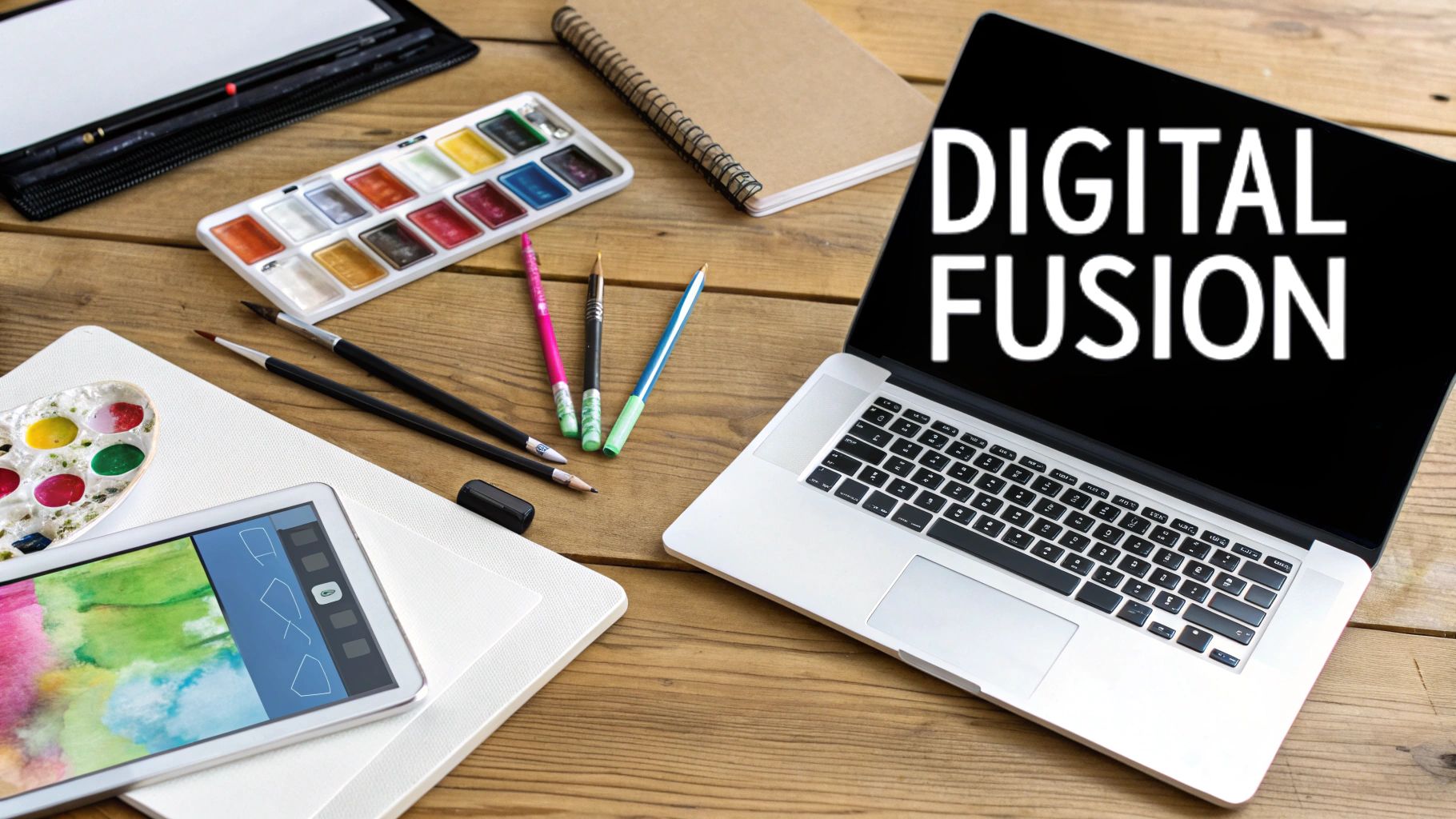
The fusion of art and technology is often seen as a modern development. However, the interplay between the two has a rich history, influencing artistic expression for centuries. From the first cave paintings using natural pigments to today’s complex digital creations, technology has always shaped how artists create and share their work. This section explores the evolution of creative tools and how technology has continually broadened artistic possibilities.
One early example of this synergy is the development of perspective during the Renaissance. Artists like Leonardo da Vinci used mathematical principles to create realistic depth and dimension in their paintings. This marked a shift from previous artistic styles and opened doors for new visual storytelling techniques. The combination of artistic vision and technical skill highlights the enduring relationship between art and technology. Later, the camera obscura, an ancestor of the modern camera, further transformed how artists captured and depicted the world.
The integration of art and technology has a fascinating history, marked by advancements like the invention of printmaking and the printing press around 1440. This technology dramatically changed art by enabling mass production, thus democratizing access. The printing press allowed artists to share their work more widely, facilitating the spread of artistic movements across regions.
By the 16th century, printmaking became crucial for artists like Albrecht Dürer, who used it to create detailed engravings that profoundly impacted the Renaissance. This early merging of art and technology paved the way for future innovations. You can explore more on the topic of printmaking here.
The Digital Revolution and Beyond
The 20th and 21st centuries saw an explosion of technology that reshaped the art world. Photography and film emerged as completely new mediums for artistic expression. This led artists to reconsider the definition of art and explore abstract forms, challenging traditional representation. The advent of computers and digital tools opened even more creative avenues.
Artists began experimenting with digital painting, animation, and interactive installations, blurring the lines between art, technology, and audience participation. Platforms like Vibecoding VIP continue this evolution, providing resources and a community for artists using code. This enables creators to explore new digital art forms, such as generative art, where algorithms create unique and ever-changing pieces.
The rise of virtual reality (VR) and augmented reality (AR) offers immersive new environments for artists to explore. These technologies are not simply tools; they are catalysts for innovative artistic experiences that go beyond traditional limits. The ongoing convergence of art and technology promises to expand the horizons of creative expression for years to come.
From Paint Tubes to Digital Pixels: Tech-Driven Art Movements
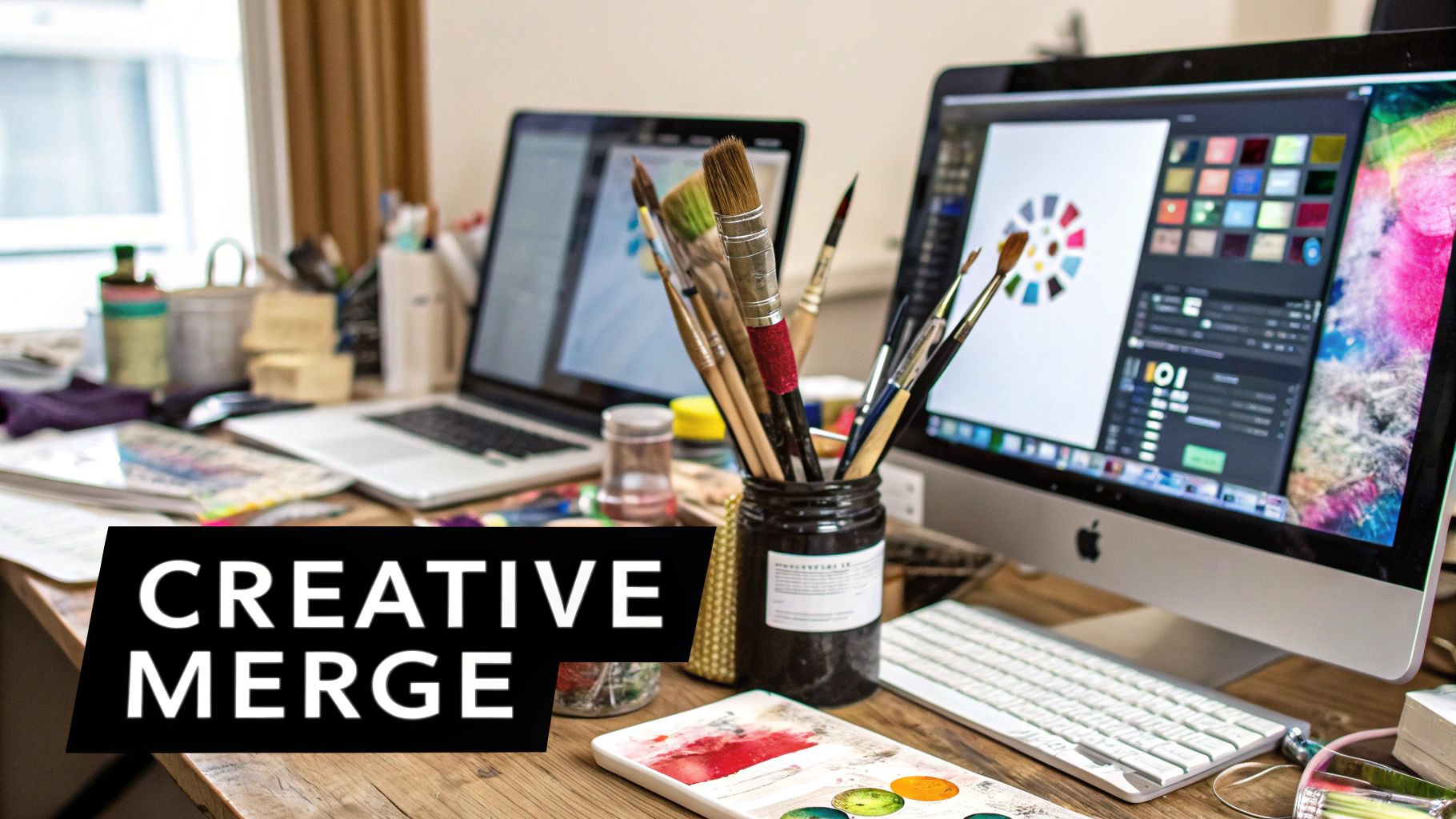
Throughout history, technological advancements have significantly changed artistic expression. New tools and techniques influence not only how artists create, but also what they create, often giving rise to entirely new art movements. This connection between art and technology has consistently pushed creative boundaries and reshaped our understanding of art's possibilities.
One compelling example is the impact of portable paints and easels in the 19th century. This seemingly simple innovation significantly changed the art world, especially for the Impressionist movement. Artists like Claude Monet and Pierre-Auguste Renoir could suddenly paint outdoors, directly capturing the ephemeral qualities of natural light and color.
This allowed for a shift from studio-based painting to plein-air painting, a defining characteristic of Impressionism. The ease of transporting paints and the ability to work in diverse environments empowered artists to explore new themes and styles, significantly contributing to the development of modern art. By the late 19th century, Impressionism had become a prominent art movement, partly due to these technological advancements. Learn more about this fascinating intersection of art and technology here.
The Rise of Technological Art
The invention of photography also profoundly impacted art. Initially viewed as a threat to traditional artistic practices, photography ultimately freed artists from the constraints of strict realism. This allowed for the exploration of new artistic avenues, such as abstraction and expressionism.
This historical shift mirrors the way digital tools are currently influencing artists. Rather than replacing traditional methods, these tools enhance and expand artistic possibilities, leading to new forms of creative expression. If you’re interested in learning more about current digital art tools, explore this resource here.
The Digital Era of Art
The digital revolution has dramatically accelerated the fusion of art and technology. Digital art, encompassing diverse practices from digital painting and animation to interactive installations and generative art, has become a major force in the contemporary art world. These technologies enable artists to manipulate pixels, code, and algorithms, creating art that is dynamic, interactive, and often immersive.
To better understand how technology has shaped art throughout history, let's examine some key examples:
The following table presents a chronological overview of key technological developments and their impact on artistic movements.
| Time Period | Technological Innovation | Artistic Movement | Key Impact |
|---|---|---|---|
| 19th Century | Portable paint tubes and easels | Impressionism | Enabled plein-air painting, capturing natural light and color |
| Late 19th/Early 20th Century | Photography | Realism, Impressionism, and eventually Abstraction and Expressionism | Shifted focus from pure representation towards exploring light, color, and emotion; eventually allowed for a departure from representational art altogether |
| Early 20th Century | Industrial printing processes | Pop Art | Allowed for mass reproduction of images, challenging traditional notions of originality and accessibility in art. |
| 20th/21st Century | Computers and Software | Digital Art, Generative Art, Net Art | Opened up new avenues for artistic creation, including manipulation of digital images, creation of interactive and immersive experiences, and exploration of algorithms and code as artistic mediums |
This table highlights how technological innovation has consistently driven the evolution of art, leading to new movements and expanding the boundaries of creative expression.
Impact on Art Movements
Here are some specific examples of how technology has shaped various art movements:
-
Impressionism: Portable paints and easels allowed artists to work outdoors, capturing fleeting moments and the effects of natural light.
-
Futurism: This movement celebrated the dynamism of the machine age, incorporating elements of speed, technology, and industrial design into its artistic output.
-
Digital Art: This encompasses a broad spectrum of art created using digital tools, including digital painting, animation, virtual and augmented reality experiences, and generative art.
The ongoing evolution of technology and art demonstrates their enduring relationship. As new technologies emerge, artists will continue to find innovative ways to incorporate them into their creative processes. This will undoubtedly lead to new artistic movements and further blur the lines between art and technology.
Creative Collisions: When Artists and Engineers Collaborate
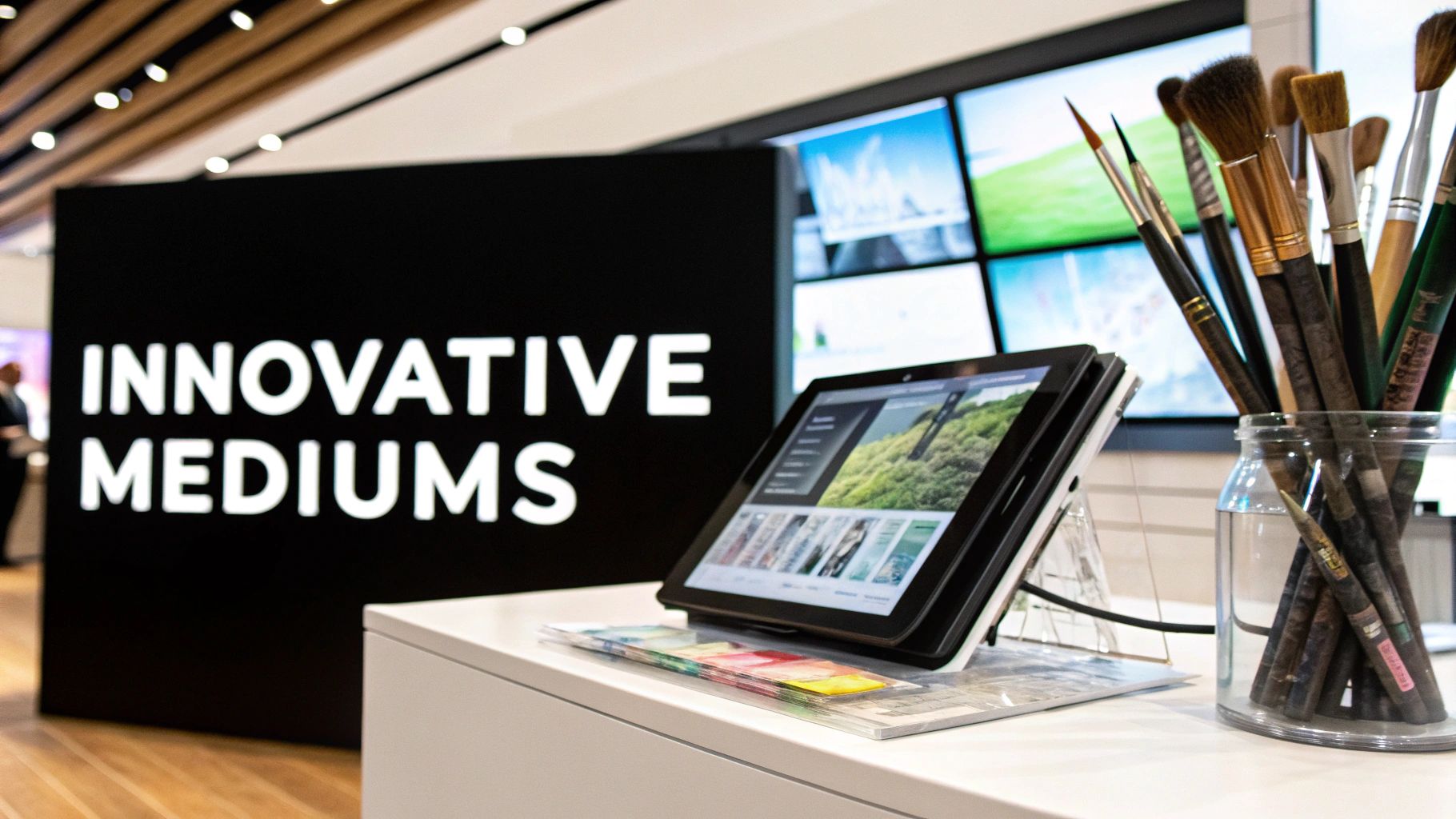
The intersection of seemingly unrelated fields often sparks the most exciting advancements. A prime example is the fusion of art and technology, where artistic vision meets engineering prowess. This collaboration births innovative projects that push the boundaries of both disciplines, forging new pathways in creative expression and problem-solving.
Consider the growing field of virtual reality (VR) experiences designed for therapeutic applications. Artists and engineers work in tandem to craft immersive VR installations that aid individuals in processing trauma and fostering healing. These experiences blend artistic storytelling with the technical precision of VR technology, offering a novel approach to mental healthcare.
The field of artificial intelligence (AI) is another arena witnessing remarkable collaborations. AI systems are now being developed that can compose music, generate art, and even write poetry. These projects not only explore new avenues of artistic expression but also prompt important questions about the nature of creativity itself.
Successful Art-Tech Integration
Successfully integrating art and technology requires careful planning and execution. Open communication and mutual respect between artists and engineers are crucial. Bridging the gap between artistic vision and technical feasibility is often a central challenge. This process frequently involves establishing a shared vocabulary and understanding of each other’s creative processes.
The European Union's Science, Technology & the Arts (STARTS) program showcases the importance of this collaborative approach. STARTS champions collaborations between artists, technologists, and scientists to develop new technologies and artistic expressions. The program has funded numerous projects integrating art into technological development, resulting in innovative products and services. To delve deeper into STARTS' initiatives, explore their work here634439_EN.pdf).
Institutional Frameworks
Leading institutions are now establishing frameworks to support these collaborative endeavors. They are dedicating resources and creating spaces where artists and engineers can work side-by-side. These initiatives often include:
- Interdisciplinary teams: Bringing together artists, engineers, and other specialists fosters diverse perspectives.
- Joint workshops and training programs: These programs facilitate communication and collaborative skills among team members.
- Funding opportunities: Dedicated funding supports innovative art-tech projects and research.
These structured partnerships are essential for overcoming communication barriers and harnessing the unique strengths of both artistic and technical mindsets. They cultivate an environment where creativity and innovation can flourish, leading to breakthroughs neither field could achieve independently. The future of art and technology hinges on these creative collisions, where artistic vision and technical expertise converge to reshape our world.
Beyond Aesthetics: Art-Tech Solutions Transforming Industries
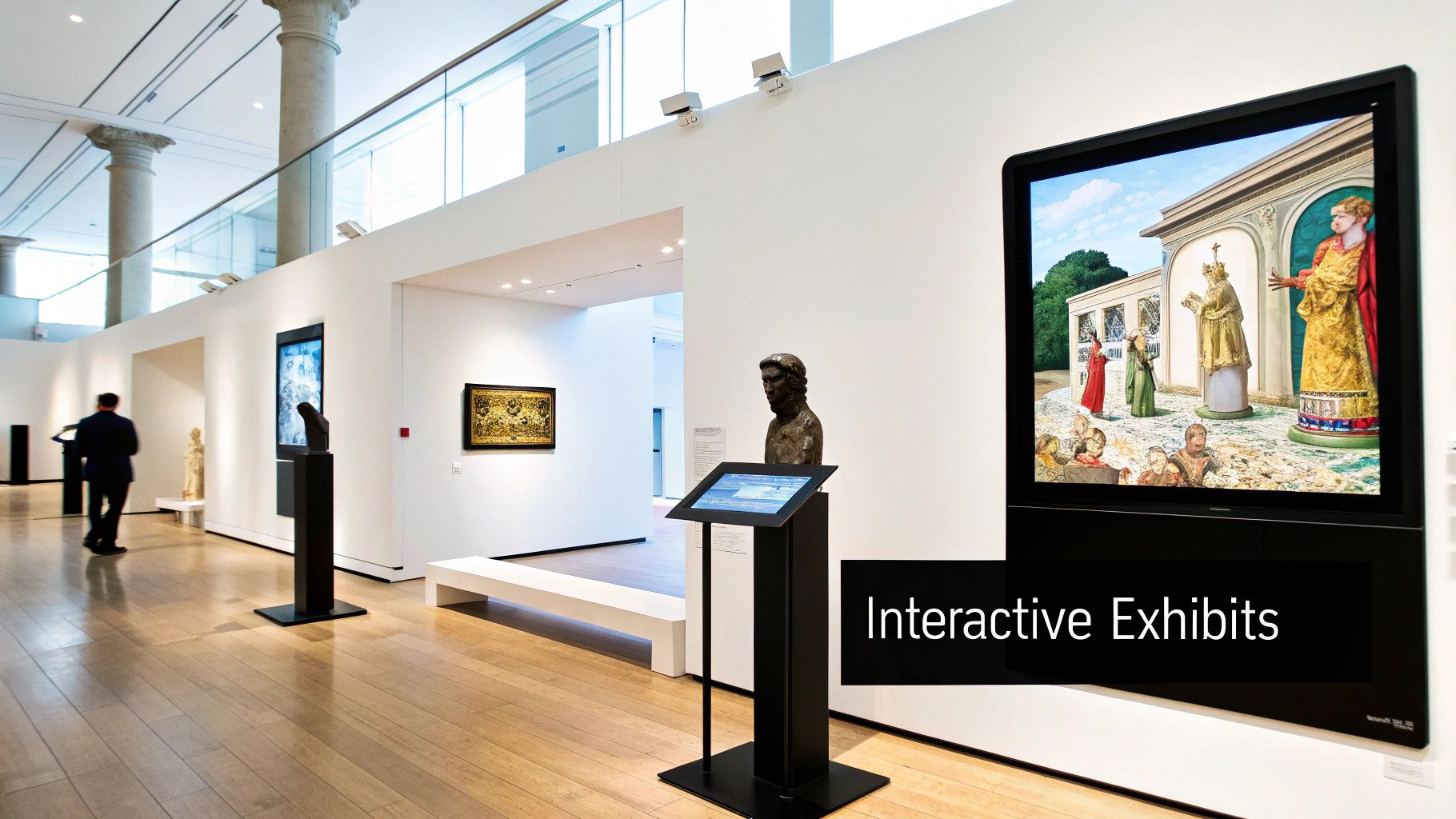
The intersection of art and technology offers more than just visually appealing designs. It's about developing impactful solutions across diverse sectors. This approach transcends aesthetics and tackles complex real-world problems with innovative solutions. The result is a transformation of industries through enhanced user engagement, improved information retention, and deeper emotional connections with audiences.
One example lies within the medical field. Art-tech integrations are revolutionizing medical visualization. Complex datasets are converted into interactive, visually engaging representations. This allows medical professionals to better understand patient data and make more informed decisions, ultimately enhancing diagnostic accuracy and improving patient outcomes.
Environmental science also benefits from this fusion. The combination of art and technology provides new ways to interpret climate data. Data visualization techniques, inspired by artistic principles, can communicate complex climate change information to wider audiences. This approach is instrumental in increasing public awareness and driving action towards sustainability.
The Mondrian User Interface Pattern serves as a notable example. This design approach uses abstract compositions inspired by Piet Mondrian's art to create interactive interfaces for home automation systems. It encourages users to engage more actively with energy-saving technologies. This clearly demonstrates how art and technology can inspire eco-responsibility. Learn more about this fascinating approach here.
The Impact of Artful Thinking
Artistic thinking significantly enhances technical development processes. It fosters creative problem-solving, leading to innovative solutions that might not emerge from purely technical approaches. Additionally, it prioritizes user-centered design, ensuring that technology serves human needs and improves user experience.
Organizations integrating art and technology often achieve measurably better results. They report increased user engagement with their products or services, improved information retention among target audiences, and stronger emotional connections with their brands. These positive outcomes highlight the value of this interdisciplinary approach.
Actionable Strategies for Integration
How can organizations effectively combine art and technology? A crucial step is fostering collaboration between artists and engineers. Creating interdisciplinary teams and promoting open communication are key to successful integrations. Figma is a powerful tool that can facilitate this collaborative design process. You can learn more about collaborative design with Figma here. Another key strategy is incorporating artistic methodologies into technical development processes. This can involve incorporating design thinking principles, prototyping with artistic materials, and involving artists in user research and testing.
Companies embracing this integrated approach are consistently outperforming those maintaining rigid disciplinary boundaries. This signifies a shift where the fusion of art and technology is no longer a novelty, but a strategic advantage for innovation and impact.
Cultivating Hybrid Talent: New Approaches to Creative Education
The lines between art and technology in education are blurring. Progressive institutions are recognizing the increasing need for individuals skilled in both disciplines. This has led to a rise in innovative educational programs designed to equip students for a world where the fusion of art and technology is essential.
Bridging the Gap Between Art and Technology in the Classroom
Traditional education often separates art and technology. However, new programs are highlighting the interconnection between them. These programs are building curricula that encourage both technical skills and creative thinking. This includes incorporating coding, design, and digital fabrication into art classes, while also introducing artistic principles and design thinking into technical subjects.
For example, students might learn to create interactive art installations using Processing or explore 3D modeling software like Blender to design sculptures. This approach helps students develop a well-rounded understanding of how art and technology can work together.
Essential Skills for Art-Technology Professionals
Success in the art-technology field requires more than just artistic or technical talent. Collaboration, communication, and critical thinking are vital. Students need to learn how to effectively share their ideas, work within interdisciplinary teams, and tackle complex problems with creative solutions.
Mastery of specific software and hardware tools is also essential. This includes proficiency in design software like Adobe Creative Suite, coding languages, and digital fabrication techniques. For further information on coding, explore resources like mastering essential coding languages.
Measuring Success in a New Era
Evaluating these programs requires looking beyond traditional measures. While technical skills assessments remain important, there’s a growing emphasis on evaluating students' ability to apply these skills in practical settings. This includes assessing portfolios, project work, and collaborative efforts.
Institutions are also recognizing the importance of soft skills like communication, adaptability, and problem-solving. They're exploring new assessment methods to evaluate these vital skills.
To help illustrate some current examples, the following table provides further information on combined Art and Technology learning:
Top Educational Programs Combining Art and Technology
A comparison of leading educational approaches that integrate artistic and technological learning
| Program Name | Focus Areas | Teaching Approach | Notable Alumni/Projects |
|---|---|---|---|
| MIT Media Lab | Interactive art, tangible media, bio-art | Project-based learning, interdisciplinary collaboration | Sixth Sense device, Scratch programming language |
| NYU Interactive Telecommunications Program (ITP) | Physical computing, data visualization, web development | Studio-based learning, emphasis on experimentation | Many successful startups, interactive installations |
| UCLA Design Media Arts | Animation, game design, virtual reality | Combination of technical instruction and creative exploration | Award-winning films, innovative digital art projects |
These programs, each with their distinct approach, offer a glimpse into the future of art and technology education. They highlight the value of interdisciplinary collaboration and hands-on learning.
What Employers Seek in Hybrid Talent
Employers in the creative technology sector value a diverse range of skills. They look for individuals with technical expertise, artistic vision, and a solid grasp of design principles. Graduates need to demonstrate proficiency in both art and technology to compete in the job market.
Employers also prioritize candidates who are adaptable, collaborative, and possess strong communication skills. This is because the art-tech field is constantly evolving, requiring individuals to work in interdisciplinary teams and adapt to new technologies and creative challenges. These new educational approaches are preparing the next generation of creative technologists for a world where the synergy of art and technology drives innovation across various industries.
The Next Canvas: Future Frontiers in Art and Technology
The fusion of art and technology continues to evolve, pushing creative boundaries ever further. This evolution is driven by emerging technologies that are poised to reshape artistic practices. This section delves into the exciting intersection of art and technology, exploring how artists are actively shaping these technologies and redefining creativity.
AI Collaboration and Creative Expression
Artificial intelligence (AI) is transforming the art world. No longer a futuristic concept, AI has become a powerful tool that artists are using to experiment with new forms of expression. AI collaboration tools offer possibilities that go beyond traditional methods. Imagine an AI algorithm assisting a painter by suggesting color palettes or generating unique brushstrokes. These tools aren't replacing artists; they're enhancing their abilities and opening new creative avenues. For example, some AI systems can create original musical compositions or generate unique visual patterns, inspiring human artists and pushing them in new directions.
Extended Reality: Transforming Artistic Experiences
Extended Reality (XR), which encompasses virtual reality (VR), augmented reality (AR), and mixed reality (MR), is changing how art is experienced and consumed. VR allows artists to create immersive worlds, enabling viewers to step inside a painting or interact with a sculpture in a virtual environment. AR overlays digital elements onto the real world, transforming everyday spaces into interactive art exhibits. These technologies offer unprecedented opportunities for artists to engage audiences in exciting new ways. Museums and galleries can utilize XR to offer virtual tours, making art accessible to a global audience. Location is no longer a barrier to experiencing art's beauty and power.
Biotechnology and the Art of Life
The intersection of biotechnology and art presents a fascinating new frontier. Artists are exploring living organisms, DNA manipulation, and biological processes as artistic mediums. This emerging field, known as bioart, challenges traditional notions of what art can be. Imagine sculptures grown from living tissue or installations that respond to the viewer's biofeedback. These innovative practices raise profound questions about life, ethics, and the very nature of art itself. This also creates new challenges for artists, as they must now consider the ethical implications of their work.
Ethical Considerations and Future Skills
As technology becomes increasingly integrated with art, ethical considerations are paramount. Questions surrounding authorship, intellectual property, and access require careful consideration. If an AI generates art, who owns the copyright? How do we ensure equitable access to these new technologies? Addressing these questions is crucial for the responsible development of this field.
The skills required for future creators are also changing. Artistic vision remains essential, but technical proficiency is becoming increasingly important. Future artists will need to be comfortable working with code, algorithms, and digital tools. They will need to be adaptable and quick to learn new technologies. This necessitates a shift in art education, emphasizing interdisciplinary learning and fostering both creative and technical skills. This also presents exciting opportunities for artists to develop new skills and collaborate with technologists. By embracing these changes and navigating the ethical complexities, we can ensure that the intersection of art and technology continues to enrich and inspire.