Building Your Coding Foundation Without The Overwhelm

Starting your coding journey can feel daunting. Many aspiring programmers struggle with the initial learning curve and can experience burnout quickly. However, many successful self-taught coders, even those securing jobs at top tech companies, employ strategies to avoid this. They prioritize building sustainable learning habits, beginning with a strong foundational understanding.
Setting Realistic Goals and Avoiding Burnout
One of the most important aspects of improving coding skills is setting achievable goals. Rather than trying to learn everything at once, focus on small, manageable daily objectives. This prevents information overload, allowing you to gradually absorb and apply new concepts. For example, instead of attempting to master an entire programming language in a week, concentrate on understanding a single concept each day. This could be anything from learning about variables and data types to working with basic syntax.
Embracing the Discomfort of "Not Knowing"
Coding is a continuous journey of learning. Even seasoned professionals encounter new challenges regularly. Accepting this allows you to approach learning with curiosity and resilience. This mindset encourages a growth-oriented approach, where challenges become opportunities for growth.
Choosing Your First Language Strategically
Your first programming language can significantly impact your learning experience and career trajectory. Some languages are more beginner-friendly than others, offering simpler syntax. Python is often recommended for beginners due to its readability and versatility. Ultimately, the best language depends on your personal goals and interests.
Creating a Sustainable Learning Schedule
Consistency is key for long-term success. Integrate coding practice into your daily routine in a manageable way. This could involve dedicating a specific time each day, even just 30 minutes, or utilizing short bursts of free time. Regular exposure to coding concepts reinforces learning and builds momentum, leading to steady progress without feeling overwhelmed.
Maintaining Motivation and Finding Support
Learning to code inevitably involves periods where progress seems stagnant. Maintaining motivation during these times requires conscious effort. Setting meaningful milestones and acknowledging small achievements can be highly effective. Joining online communities or coding bootcamps provides valuable support and accountability. These communities connect you with peers, allowing you to share experiences and overcome challenges together. Remember, learning to code is a marathon, not a sprint.
Choosing Languages That Boost Your Career Prospects

Choosing a programming language isn't just about what you enjoy coding. It's a strategic decision that can significantly impact your career path. Understanding market demand, considering long-term viability, and aligning your skills with industry trends are key to maximizing your learning investment and opening doors to more rewarding roles.
Why Language Choice Matters
Many developers, even those proficient in multiple languages, struggle to find work. This often stems from a lack of deep expertise in a specific area. Hiring managers often prioritize specialists with a strong command of a language or technology stack directly relevant to their company's needs. This focused expertise translates to increased productivity and quicker problem-solving.
The popularity of a programming language significantly influences career prospects. Python, for example, consistently ranks among the top languages. Holding 23.85% of developer ratings as of 2025, Python dominates fields like data science, machine learning, and automation. This makes it an attractive choice for developers at all skill levels. More information on Python’s popularity can be found here: Software Development Statistics 2025. This data underscores the importance of aligning your skills with market demand. You might also be interested in: How to master different coding languages.
Hidden Factors That Influence Language Value
Beyond popularity, other factors contribute to a language’s career potential. A robust community provides support, resources, and networking opportunities. Easily accessible learning resources streamline the learning curve. And long-term viability is crucial, ensuring your skills remain relevant in a constantly changing technological landscape.
Strategic Language Portfolio Building
Instead of superficially learning many languages, cultivate a strategic portfolio. This means choosing languages with diverse applications and strong industry relevance. For instance, combining a front-end language like JavaScript, a back-end language like Python, and a database language like SQL positions you well for full-stack development roles, broadening your job prospects.
Evaluating Emerging Technologies
The tech world never stands still. While staying informed about new technologies is important, not every new language or framework deserves immediate attention. Some are fleeting trends; others become industry mainstays. Analyzing industry investment patterns and hiring trends can provide valuable insights into technologies with genuine long-term potential.
Making Informed Decisions
By considering both market demand and less obvious contributing factors, you can make informed decisions about which languages to pursue. This approach improves your coding skills and positions you for career success. Investing in the right languages enhances your earning potential and opens doors to exciting new opportunities, ensuring your skills remain valuable and relevant throughout your career.
Understanding What Employers Actually Want Right Now

The tech industry is booming, offering a vast number of opportunities for those with the right skills. But simply possessing coding knowledge isn't enough. Employers are actively searching for candidates who combine technical expertise with essential soft skills. Understanding exactly what hiring managers value is key to improving your coding skills and advancing your career.
Beyond the Code: The Importance of Problem-Solving
Technical skills are the foundation, but problem-solving abilities are becoming increasingly important. Employers want individuals who can analyze complex situations, break down problems into manageable parts, and develop effective solutions.
For instance, if a developer encounters a bug, they shouldn't just look for a quick online fix. Instead, they should debug the code, identify the root cause, and implement a lasting solution. This analytical approach is highly sought after in tech.
Adaptability and the Evolving Tech Landscape
The tech world is in constant flux, with new technologies emerging all the time. This makes adaptability a critical skill. Being open to learning new programming languages, frameworks, and tools is vital. So is the ability to adapt to changing project requirements and collaborate effectively within a team.
The Rise of Specialized Roles
The demand for specialized skills, particularly in areas like cloud computing, cybersecurity, and DevOps, is rapidly growing. This reflects the increasing complexity of modern software development.
These specialized roles often demand a deeper understanding of specific technologies and platforms. This underscores the importance of continuous learning and specializing within the tech industry. Global IT spending continues to increase, reaching a projected $5.3 trillion in 2024. This substantial investment underscores the growing importance of coding skills. Cloud computing, cybersecurity, and DevOps are especially in-demand areas. IT professionals need to continuously improve coding skills to remain competitive. More detailed statistics can be found in the IT Skills Report.
Aligning Your Skills with Market Demand
Staying informed about industry investment and hiring trends is vital for aligning your skill development with market demands. Understanding emerging technologies and their potential impact allows you to strategically focus on the most relevant programming languages and frameworks, boosting your marketability.
The Value of Practical Experience
While theoretical knowledge is important, practical experience is highly valued. Employers look for candidates who can demonstrate their coding skills through real-world projects. A strong portfolio showcasing your abilities provides tangible proof of your capabilities.
Communication and Collaboration: Essential Soft Skills
Effective communication and collaboration are essential for success in any tech role. This includes clearly explaining technical concepts to both technical and non-technical audiences. It also means working effectively in a team, contributing to discussions, and providing constructive feedback. These soft skills, combined with technical proficiency, make you a well-rounded and attractive candidate. This holistic approach will enhance your technical abilities and position you for long-term career success in the dynamic tech industry.
Mastering The Languages That Matter Most Today
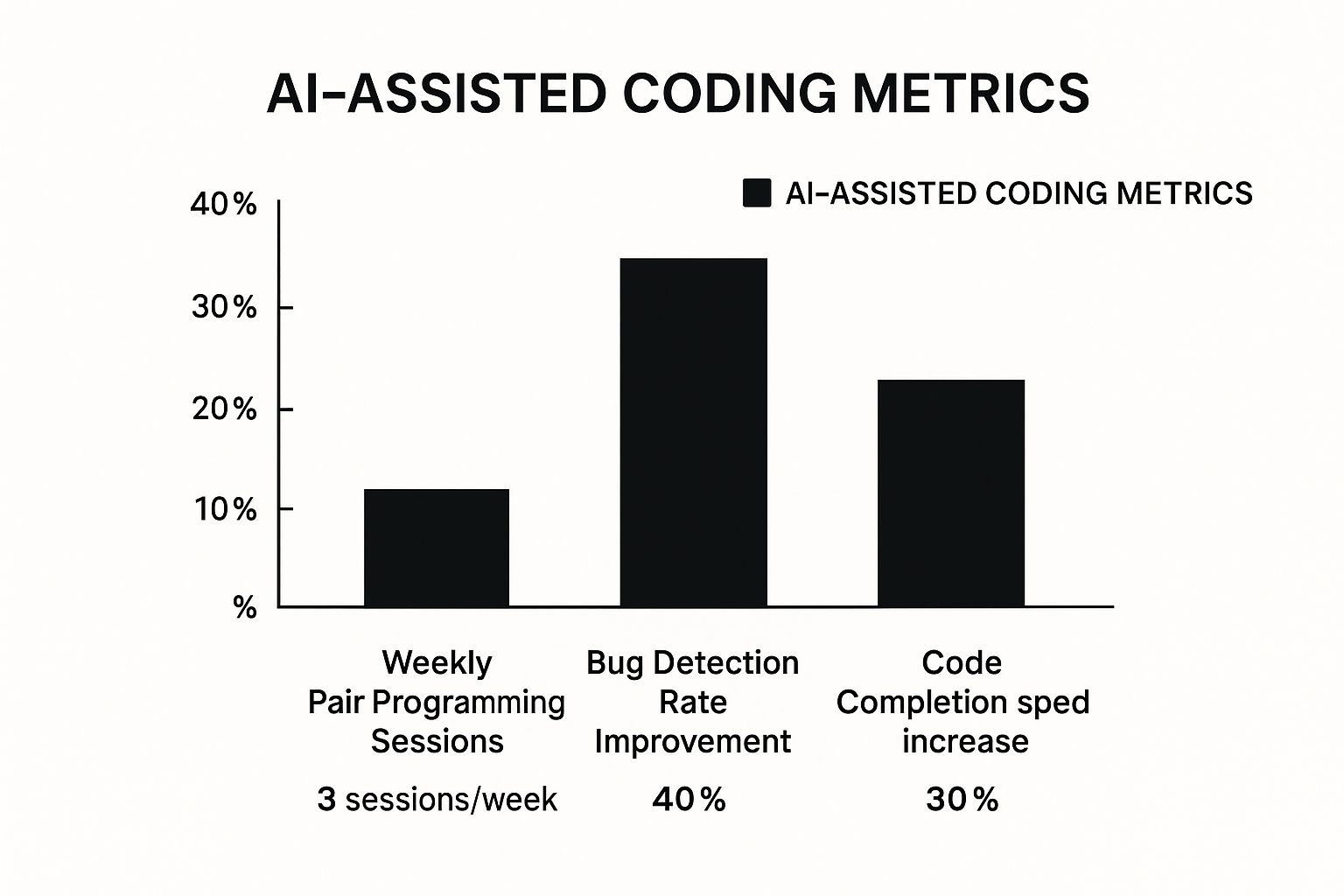
The infographic above illustrates how specific learning techniques, like pair programming, can significantly impact your coding. Notice the improvements in bug detection and code completion speed. This underscores the importance of not only selecting the right language but also adopting effective learning strategies.
Surveys and reports, such as those from Pluralsight, offer valuable insights into programming language trends. Their 2025 rankings place Python at the top, followed by Java and JavaScript. These languages are popular for a reason: their versatility makes them essential for developers seeking to enhance their skills. For more detailed information, check out their insights here.
Why Focus on In-Demand Languages?
The programming world is dynamic. Focusing on languages that are currently driving innovation and offering strong career opportunities is key. Aligning your skills with market demand increases your value to employers and opens doors to a wider array of projects. But simply learning a popular language isn't the end of the story. Understanding the surrounding ecosystem is equally important.
Understanding Language Ecosystems
A language's ecosystem encompasses its typical uses, community resources, and learning curve. Python, for example, has a thriving community and extensive libraries ideal for data science and machine learning. Java, known for its stability, is a mainstay in enterprise applications. JavaScript powers interactive web development. Understanding these nuances helps you choose languages that align with your career goals and project interests.
To help illustrate the differences and potential career paths associated with each language, let's examine a comparison of these top programming languages:
Top Programming Languages Comparison
| Language | Popularity Ranking | Primary Use Cases | Learning Difficulty | Average Salary Range |
|---|---|---|---|---|
| Python | 1 | Data Science, Machine Learning, Web Development | Beginner-Friendly | $100,000 – $150,000 |
| Java | 2 | Enterprise Applications, Android Development | Intermediate | $90,000 – $140,000 |
| JavaScript | 3 | Web Development, Front-End Development, Back-End Development | Intermediate | $80,000 – $130,000 |
This table provides a quick overview of why these languages are in high demand. Python's beginner-friendliness and diverse applications make it a popular choice. Java's strength in enterprise solutions ensures its continued relevance. JavaScript's dominance in web development remains unchallenged.
Building a Strategic Language Portfolio
Becoming a well-rounded coder means diversifying your skills with a strategic language portfolio. This involves mastering languages with complementary strengths. For example, combining front-end expertise (like JavaScript) with back-end proficiency (like Python or Java) creates a valuable full-stack developer skillset. Exploring niche languages relevant to specific industries can also provide a competitive advantage.
Evaluating New Languages and Trends
Staying current with new languages is important, but evaluate carefully whether a language is a passing trend or a worthwhile investment. Look for growing community support, increasing industry adoption, and a solid foundation. This ensures your efforts contribute to lasting career development. Focus on building a strong foundation with in-demand languages first.
Practice Methods That Actually Make You Better
Improving your coding skills takes more than just passively watching tutorials. It requires active participation and deliberate practice. This involves structuring your learning to build real competency and develop the problem-solving intuition that sets great developers apart.
Deliberate Practice vs. Mindless Repetition
Simply repeating coding exercises without grasping the underlying principles is like memorizing a recipe without understanding how to cook. Deliberate practice, in contrast, involves focused effort on specific areas for improvement, actively identifying weaknesses, and seeking feedback. This targeted approach is much more effective than mindless repetition. It's about understanding why a particular solution works, not just how it works.
Structuring Effective Practice Sessions
Effective coding practice involves more than just writing code; it’s about establishing a process. Start by breaking down complex problems into smaller, more manageable parts. For example, if you're building a web application, concentrate on individual features like user authentication or data retrieval before integrating them. This allows you to isolate and master specific skills.
Types of Coding Challenges and Their Benefits
Different types of coding challenges offer unique advantages. Algorithmic puzzles, like those found on LeetCode, sharpen your problem-solving skills and help you optimize code for efficiency. Real-world simulations, such as building a simple e-commerce site, offer practical experience and introduce you to common development workflows. Choosing the right challenge depends on your current skill level and learning objectives.
The Power of Code Review and Iteration
Code review is essential for growth. Having another developer review your code offers valuable feedback and exposes you to different perspectives. Don't shy away from criticism; consider it an opportunity to learn and improve. Embrace iterative improvement: revisit past projects and refactor your code based on new knowledge and insights. This reinforces learning and establishes good coding habits. Check out our guide on various coding tools and resources for assistance in your coding journey.
Debugging Your Thinking Process
Debugging isn't just about finding errors in your code; it's also about identifying flaws in your thinking. When you encounter a bug, don't just fix the immediate issue. Ask yourself why you made the mistake. Was it a misunderstanding of a concept, a logical error, or a simple oversight? Analyzing your mistakes helps prevent them from happening again.
Building Problem-Solving Intuition
Quickly identifying and solving problems is a key characteristic of a skilled developer. This problem-solving intuition develops from experience, deliberate practice, and a thorough understanding of coding principles. It involves recognizing patterns, anticipating potential problems, and developing effective solutions.
Practical Strategies for Improvement
- Start Small: Avoid tackling overly complex projects initially. Focus on building a solid foundation with smaller, attainable goals.
- Focus on Fundamentals: Master the core concepts of your chosen programming language before advancing to more complex topics. This makes learning harder material easier.
- Practice Regularly: Consistency is essential. Even short, daily practice sessions are more beneficial than sporadic bursts of activity.
- Seek Feedback: Ask other developers to review your code and offer constructive criticism. This can reveal blind spots and accelerate your learning.
- Embrace Challenges: Stepping outside your comfort zone and tackling challenging problems is the best way to grow and develop your skills.
By integrating these strategies into your learning routine, you can significantly improve your coding abilities. Remember, enhancing your coding skills is an ongoing journey. Embrace the process, remain curious, and never stop learning.
Building Projects That Get You Hired
Think of your GitHub profile as your coding resume. Empty repositories won't impress potential employers. Building impactful projects is key to improving your coding skills and showcasing your abilities. This section explores how to choose, plan, and execute projects that demonstrate both technical prowess and practical problem-solving.
Selecting the Right Projects
Choosing the right portfolio projects requires balancing ambition and feasibility. Aiming high is good, but it's important to select projects you can realistically complete. A polished, smaller project is more impressive than an unfinished ambitious one. Begin with projects that align with your current skills while still offering a learning opportunity. Gradually increase complexity as you gain experience.
For example, a simple to-do list application is a great starting point for learning web development. Examples of coding projects can provide further inspiration. As your skills grow, consider more complex projects like e-commerce platforms or social networking sites.
Planning for Success
Thorough planning is essential for project completion. Before writing any code, define clear project goals. Break the project into smaller, manageable tasks, and create a realistic timeline. This structured approach prevents overwhelm and keeps you focused.
Executing and Documenting Your Work
Effective project execution goes beyond writing functional code. Professional documentation is essential. Document your code clearly using comments to explain the purpose and functionality of different sections. This makes your code understandable to others and helps you when revisiting the project later.
Showcasing Your Skills: Building a Compelling Portfolio
A compelling portfolio isn't just a list of projects; it's a narrative. Describe each project's purpose, the technical challenges, and your solutions. This demonstrates your problem-solving skills and provides insight into your development process. Showcase your successes and how you handle challenges, giving potential employers a comprehensive view of your abilities.
To help you select appropriate projects, take a look at the table below:
Project Types by Skill Level
A breakdown of suitable project types for different coding skill levels, from beginner to advanced
| Skill Level | Project Type | Estimated Time | Key Skills Demonstrated | Portfolio Impact |
|---|---|---|---|---|
| Beginner | Simple Calculator App | 1-2 weeks | Basic syntax, variable manipulation, user input | Demonstrates foundational knowledge |
| Intermediate | Weather Application | 2-4 weeks | API integration, data processing, UI design | Showcases practical application of skills |
| Advanced | E-commerce Platform | 2+ months | Database management, complex algorithms, security implementation | Highlights advanced technical capabilities |
This table offers a guide for matching project selection to your skill level. Choosing the right projects significantly contributes to skill improvement and portfolio strength. These tangible demonstrations of your abilities will boost your chances of landing your dream job. By building projects that solve real-world problems, not just theoretical exercises, you demonstrate the practical skills that hiring managers value.
Staying Motivated When Progress Feels Invisible
Learning to code can feel like a marathon, not a sprint. Your motivation will naturally have its highs and lows. This section explores practical strategies for maintaining momentum, especially when progress feels invisible, drawing on insights from experienced developers.
Recognizing Non-Obvious Progress
Sometimes, progress isn't about how many lines of code you've written. It's about a deeper understanding of programming concepts. You might spend hours troubleshooting a bug, only to discover you’d misunderstood a core idea. This struggle, while frustrating, is a significant step forward. You've identified a knowledge gap and can now work to fill it. This type of learning is just as crucial, if not more so, than producing working code.
Setting Meaningful Milestones
Using SMART goals—Specific, Measurable, Achievable, Relevant, and Time-Bound—provides a roadmap for your coding journey. Instead of vague objectives like "becoming a better programmer," set concrete milestones. For example, "Build a simple web application using Python and Flask within three months" provides a clear target and allows you to measure your progress.
Building Accountability Systems
Accountability keeps you on track. Find a system that works for you. Join a study group, participate in online coding challenges, or share your goals with a friend or mentor. Regularly reporting your progress, even small wins, reinforces motivation and provides valuable encouragement.
Navigating the Emotional Cycle of Learning
Learning to code is an emotional rollercoaster. You’ll experience exhilarating moments when everything clicks, followed by frustration when you're stuck on a seemingly simple problem. Recognizing these emotional cycles is the first step to managing them.
Handling Imposter Syndrome and Comparison
Imposter syndrome is common among developers, especially beginners. Remember everyone starts somewhere. Focus on your own progress, not on comparing yourself to others. Celebrate your achievements, no matter how small they seem. Every line of code you write, every problem you solve, moves you closer to your goals.
Celebrating Small Wins and Finding Support
Acknowledge and celebrate every milestone, no matter how small. These small victories build momentum and reinforce your commitment to learning. Connect with a supportive community, online or in-person. Sharing your struggles and successes with like-minded individuals provides encouragement and helps you stay motivated during challenging times.
Maintaining Perspective During Plateaus
Plateaus are inevitable. There will be times when you seem to stop making progress. During these periods, maintain perspective. Remind yourself how far you've come, revisit past successes, and refocus on your long-term goals. Consider exploring new learning resources, taking a break to recharge, or revisiting fundamental concepts. Plateaus are not setbacks, they are opportunities for reflection and a chance to solidify your understanding.