Why Traditional Project Management Falls Short for Creatives
Traditional project management methodologies, often designed for linear and predictable projects, frequently clash with the dynamic and fluid nature of creative work. These methodologies, while effective in fields like construction or manufacturing, can stifle innovation when applied to creative teams. Why this disconnect?
One key difference lies in the iterative nature of the creative process. Creatives rarely follow a straight path. They explore, experiment, and refine their work through multiple iterations. This cyclical process, essential for high-quality creative output, is difficult to accommodate within the rigid structures of traditional project management. Imagine a painter constantly justifying every brushstroke! The creative flow would be disrupted, hindering the final masterpiece.
Additionally, traditional project management emphasizes concrete deliverables and measurable milestones. Creative projects often involve subjective evaluations and evolving goals. How do you quantify the "creativity" of a marketing campaign or the "impact" of a brand's visual identity? These intangible aspects, crucial for creative success, are difficult to capture within traditional project frameworks. This can lead to frustration for both creatives and stakeholders, hindering collaboration.
This communication gap is further exacerbated by differing perspectives. Stakeholders often prioritize clear communication and predictable timelines. Creative teams thrive on open-ended exploration and flexible schedules, allowing room for unexpected inspiration. A 2023 report revealed that 94% of stakeholders believe they communicate clearly, while only 69% of creative teams agree – a 25% gap. Find more detailed statistics here. This disconnect can lead to misunderstandings, missed deadlines, and ultimately, subpar creative output.
The Need for Adaptability in Creative Project Management
Therefore, successful project management for creative teams requires a more adaptable approach. This means embracing flexibility in timelines and workflows, fostering open communication and collaboration, and prioritizing qualitative feedback over rigid metrics. By acknowledging the unique needs of the creative process, project managers can empower their teams to deliver innovative and impactful work without stifling their artistic freedom. This understanding is key to unlocking a creative team's full potential.
Essential Frameworks That Actually Work for Creative Work
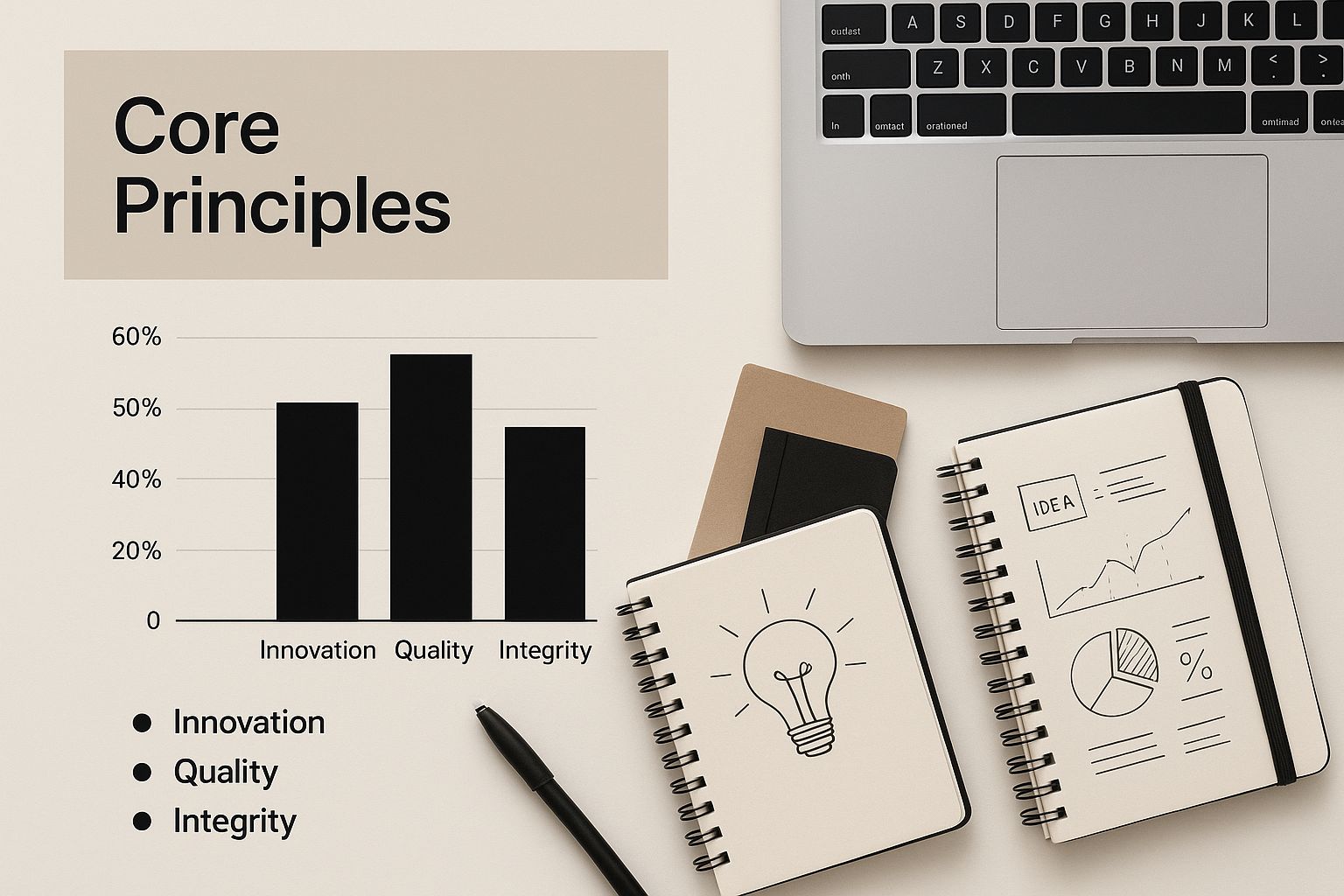
The infographic above illustrates the key principles of effective project management for creative teams. It emphasizes a balanced approach, combining organization with inspiration. A clear framework guides the creative process without hindering the team's innovative spirit. This balance is essential for creative teams to flourish.
Traditional project management methods often fail to meet the unique needs of creative projects. However, several adapted frameworks can significantly improve workflow and output. Agile methodologies, known for their iterative nature, offer a flexible approach that aligns well with the non-linear progression of creative work.
Agile for Creatives: Embracing Flexibility
Adapting Agile for creative teams involves tailoring the framework to their specific needs. Daily stand-up meetings can become quick creative check-ins, focusing on progress and obstacles without disrupting the creative flow. Creative sprints, focusing on exploration and experimentation within set timeframes, allow for flexibility while maintaining forward momentum.
Design backlogs help prioritize tasks and manage the evolution of creative assets. This ensures feedback is incorporated effectively, leading to better results. For a deeper dive into Agile practices, check out this resource: How to master Agile practices for creative work.
Design Thinking: Integrating User-Centricity
Design Thinking emphasizes user needs and iterative prototyping. It's a powerful framework that complements the creative process by ensuring the final product resonates with the target audience. Integrating Design Thinking into project workflows encourages user feedback and continuous improvement. This user-centric approach often leads to more impactful and successful creative outcomes.
Hybrid Frameworks: The Best of Both Worlds
Many creative teams now utilize hybrid frameworks, blending elements of Agile, Design Thinking, and Kanban. This customized approach allows teams to tailor their project management strategy to each project's unique requirements. A visual team might use Kanban boards to track visual asset progress, providing a clear visual overview of the workflow. This ensures the framework supports, rather than obstructs, the creative process.
To understand the nuances of these frameworks, consider the following comparison:
Creative Project Management Frameworks Comparison
A detailed comparison of different project management methodologies and their suitability for various types of creative work
| Framework | Best For | Key Benefits | Implementation Difficulty | Creative Flexibility |
|---|---|---|---|---|
| Agile | Projects with evolving requirements and a need for flexibility | Iterative approach, promotes collaboration, adapts to change | Moderate | High |
| Design Thinking | User-centric projects requiring deep understanding of user needs | Focuses on user research and prototyping, ensures product-market fit | Moderate | High |
| Kanban | Visual projects and teams needing a clear overview of workflow | Visualizes workflow, improves transparency, facilitates task management | Easy | Medium |
| Hybrid | Projects requiring a tailored approach combining different methodologies | Combines strengths of different frameworks, customizable to specific needs | Moderate to High | High |
This table highlights how each framework caters to different creative needs. Choosing the right one, or a combination, depends on the specific project requirements and team preferences.
Kanban for Visual Thinkers: Enhancing Workflow Visibility
Kanban boards provide a highly visual task management system, making them ideal for creative teams. They offer a transparent view of project progress, enabling teams to identify bottlenecks and prioritize tasks effectively. This visual approach significantly enhances workflow transparency and communication within the team. Digital Kanban tools further improve the framework's effectiveness for creative projects by facilitating real-time collaboration and updates.
Building Seamless Cross-Functional Creative Collaboration
Modern creative projects often involve a diverse team of specialists. Designers, writers, developers, and strategists each bring their unique skills to the table to achieve a common goal. This collaborative environment, while full of potential, presents unique challenges for project management. Successfully navigating these challenges requires strategies that promote clear communication, mutual understanding, and streamlined workflows.
Facilitating Productive Cross-Functional Meetings
A key aspect of effective project management for creative teams is facilitating productive meetings between individuals from different disciplines. This means establishing clear agendas, encouraging active listening, and creating a respectful environment where everyone feels comfortable contributing. For instance, a meeting could start with a summary of the project goals, followed by updates from each team member, and end with a dedicated Q&A session. This structured format keeps everyone informed and on the same page.
Managing Conflicting Priorities and Working Styles
Creative teams frequently encounter conflicting priorities and differing working styles. Some team members may prefer a structured environment, while others thrive in a more flexible setting. Balancing these preferences is critical for maintaining team morale and productivity. It's also vital to align individual priorities with the overall project objectives to ensure everyone is working towards the same goal. This may require some team members to compromise on individual preferences for the benefit of the project.
Creating Shared Understanding Across Disciplines
Clear communication is essential for successful creative collaboration. Each discipline has its own terminology and perspective, which can sometimes lead to misunderstandings. Cross-disciplinary collaboration has become increasingly important in recent years. This approach involves combining expertise from different areas, often using tools like Miro and Figma to facilitate communication and collaboration. This allows for more insightful creative input throughout the entire project lifecycle, from initial brainstorming to final execution. Learn more about the future of creative project management.
Leveraging Collaborative Tools for Enhanced Workflow
Technology plays a crucial role in facilitating creative teamwork. Using project management software, communication platforms, and collaborative design tools effectively can significantly improve workflow and communication. These tools can help streamline feedback processes, track progress, and ensure everyone has access to the most up-to-date project information.
Running Effective Cross-Functional Workshops
Workshops are valuable tools for brainstorming, problem-solving, and building consensus within creative teams. However, to maximize their effectiveness, workshops need to be carefully planned and facilitated. This includes setting clear objectives, defining roles, and ensuring active participation from all attendees. Well-run workshops can lead to innovative solutions and a stronger sense of team unity, ultimately resulting in improved synergy and overall creative output.
Selecting Project Management Tools That Creative Teams Love

Finding the right project management software can be a game-changer for creative teams. Not every tool caters to their specific needs. Choosing wisely can significantly impact workflow, collaboration, and the overall quality of creative output. This involves looking beyond simple task management. Think about features that truly enhance the creative process.
Visual project tracking, seamless file sharing, and robust feedback mechanisms are just a few examples of crucial elements for successful creative project management. This section will guide you in selecting the perfect tools to boost, not burden, your team's creative flow.
Key Features for Creative Project Management Tools
The best project management tool for a creative team should have several key features:
-
Visual Project Tracking: Creative work is often visual in nature. Tools offering Kanban boards, Gantt charts, and other visual progress representations can dramatically improve team understanding and workflow.
-
Seamless File Sharing and Version Control: Creative projects involve many files, revisions, and iterations. The right tool should make file sharing, version control, and collaborative editing easy. This helps avoid confusion and maintains a clear change history.
-
Effective Feedback Collection Systems: Feedback is vital to the creative process. Look for tools that allow in-context feedback directly on creative assets. Features like annotation tools, comment threads, and approval workflows streamline feedback and ensure clarity.
-
Integration with Existing Creative Software: The project management tool should integrate smoothly with the software your team already uses. Think Adobe Creative Suite, Figma, or other design and prototyping tools. This minimizes disruptions and simplifies workflows.
Specialized Creative Tools vs. Adapted General Platforms
When choosing a tool, decide if a specialized creative project management platform or a more general platform is a better fit. Specialized tools are often designed with creative workflows in mind, offering tailored features. However, adapting a general project management platform like Monday.com can be more cost-effective and flexible, especially if your team also handles non-creative projects. You might find some helpful resources in our tools directory.
Evaluating User Experience and Implementation Challenges
Features aren’t everything. User experience and implementation are just as critical. The tool should be intuitive and easy to use for everyone, regardless of their technical expertise. A complex tool can lead to frustration and team resistance. Consider the learning curve, mobile accessibility, and available training resources.
The importance of project management software in improving workflows and team collaboration is clear. The market is projected to reach $7.24 billion by 2025, with a CAGR of 10.67% until 2030. Already, 82% of companies use project management software to enhance organizational efficiency. Learn more about these statistics.
Ensuring Team Adoption and Maintaining Productive Workflows
Implementing a new project management tool successfully requires careful planning. Involve the team in the selection process to ensure buy-in and get valuable input. Provide adequate training and support to help the team transition smoothly. Regular evaluations and feedback can help identify areas for improvement and ensure the tool continues supporting the team’s evolving needs. Focusing on these key elements will help you choose and implement a tool that empowers your creative team to thrive.
Streamlining Creative Workflows Without Killing Innovation
The central challenge in managing creative projects isn't just about boosting efficiency. It's about achieving that efficiency without stifling the creativity that fuels success. This requires a delicate balance: implementing structure while preserving the free flow of ideas. This section explores proven methods for optimizing creative workflows and ensuring innovation continues to thrive.
Mapping Your Creative Processes: Identifying Bottlenecks
The first step towards streamlining is understanding your existing workflow. This means mapping each stage of your creative process, from initial brainstorming to final delivery. Visualizing your workflow helps highlight actual bottlenecks and differentiate them from essential exploration time.
For example, are delays caused by inefficient feedback processes or the naturally iterative nature of design? This distinction is crucial for making targeted improvements. Identifying these roadblocks early on allows teams to focus their efforts on the areas that need the most attention.
Implementing Improvements: Enhancing Productivity and Quality
Once bottlenecks are identified, creative project management enters a crucial implementation phase. This involves strategically introducing improvements that enhance both productivity and creative quality. For repetitive tasks, standardized workflows can significantly reduce wasted time.
However, maintaining flexibility is equally crucial for innovative projects that require a less rigid approach. This balance is essential for maximizing efficiency without compromising creative output. By allowing for adaptability, teams can better address unique project demands.
Optimizing Feedback Loops: Clear Approval Processes
Feedback is vital for any creative project, but inefficient feedback loops can quickly become major obstacles. Optimizing this process involves establishing clear approval processes and using tools like Trello or Asana that facilitate direct feedback on creative assets. This streamlined approach reduces revision cycles and ensures everyone is aligned.
Think of it as creating a clear pathway for feedback, allowing creative ideas to flow smoothly while maintaining quality control. Effective feedback processes empower teams to refine their work efficiently.
Templates and Checklists: Accelerating Routine Work
Templates and checklists can be invaluable tools in creative project management, streamlining routine tasks without hindering creative thinking. They provide a foundation for efficiency, freeing up creative energy for more impactful work.
For instance, a checklist for a social media campaign launch can ensure all necessary steps are covered without limiting the campaign's creative content. This empowers creatives to focus on core creative elements rather than administrative details.
Finding the Balance: Structure and Creative Freedom
Ultimately, successful creative project management depends on finding the right balance between structure and creative freedom. By implementing these strategies, teams can optimize workflows, ensure timely delivery, and consistently produce outstanding creative results.
It's about creating an environment where creativity can flourish within a supportive framework. This balance is the key to unlocking a team's full creative potential.
To further illustrate how these strategies can be put into practice, the following table outlines key workflow optimization techniques, their implementation timelines, and expected impact.
Creative Workflow Optimization Strategies
| Strategy | Implementation Time | Difficulty Level | Expected Impact | Best Suited For |
|---|---|---|---|---|
| Standardized Project Briefs | 1-2 Weeks | Easy | Improved clarity and reduced revisions | All creative projects |
| Centralized Asset Library | 2-4 Weeks | Medium | Streamlined asset access and version control | Teams working with large volumes of digital assets |
| Automated Task Management | 1-3 Months | Medium | Increased efficiency and reduced administrative overhead | Teams with complex projects and multiple stakeholders |
| Real-time Feedback Tools | 2-4 Weeks | Easy | Faster feedback loops and improved collaboration | Projects requiring frequent iterations and client input |
| Creative Brainstorming Sessions | Ongoing | Easy | Enhanced idea generation and team cohesion | All creative teams, particularly during initial project phases |
This table provides a starting point for teams looking to optimize their workflows. By adapting these strategies to their specific needs, creative teams can unlock their full potential and achieve greater success.
Managing Creative Teams and Difficult Stakeholder Situations
Leading creative teams presents unique challenges. It requires balancing artistic expression with client relationships and stakeholder expectations. Strong communication, strategic planning, and an understanding of the creative process are essential for success.
Motivating Artistic Professionals: Fostering a Thriving Environment
Intrinsic motivation drives creative individuals. Cultivate an environment where team members feel valued, supported, and empowered. Constructive feedback is crucial. Instead of harsh criticism, focus on collaboration. Offer specific suggestions and encourage open dialogue to boost morale and creative output.
Setting Realistic Expectations with Stakeholders: Clear Communication Is Key
Managing stakeholder expectations is critical. Clear communication from the project's start is paramount. Well-defined project scopes, realistic timelines, and transparent communication prevent misunderstandings and frustration.
A detailed creative brief outlining project goals, deliverables, and constraints aligns everyone from the beginning, fostering a smoother, more collaborative project.
Managing Scope Creep: Protecting Creative Integrity
Scope creep, the expansion of project requirements beyond the initial agreement, can be a major challenge. Address it with open communication. Explain the impact of changes on timelines and budgets. Propose alternative solutions that preserve creative integrity while meeting business objectives.
Presenting stakeholders with options and associated costs empowers them to make informed decisions, keeping the project on track.
Presenting Creative Work Persuasively: Building Stakeholder Confidence
Presenting creative work effectively involves more than just showcasing the final product. Build stakeholder confidence by demonstrating the value of the creative solution. Frame the presentation around project goals and explain the creative rationale.
Highlight how the work addresses the project brief and achieves objectives. For instance, if increasing brand awareness is the goal, showcase how the creative elements contribute to that specific outcome.
Handling Subjective Feedback Professionally: Maintaining Positive Relationships
Creative work is inherently subjective. Handle feedback professionally, even when critical, to maintain positive relationships. Actively listen to concerns, acknowledge perspectives, and respond thoughtfully.
Reframe criticism as an opportunity for improvement. Demonstrating a willingness to incorporate feedback builds trust and strengthens client relationships, leading to a more successful outcome.
Conflict Resolution and Realistic Deadline Management: Creating a Harmonious Environment
Conflict is unavoidable in collaborative settings. Effective conflict resolution strategies are essential for team harmony and project momentum. Foster open communication, encourage active listening, and facilitate constructive dialogue.
Realistic deadline management prevents burnout and ensures high-quality output. Accurately estimate task durations, include buffer time for unforeseen issues, and prioritize tasks effectively. A harmonious environment where creativity thrives within project constraints is the mark of effective leadership.
Measuring Creative Project Success Beyond Traditional Metrics
Traditional project management Key Performance Indicators (KPIs) such as timeline adherence and budget efficiency are important, but they only paint part of the picture of a creative project's success. For creative teams, success also hinges on the quality of the work, the level of innovation, team satisfaction, and client happiness. This necessitates moving beyond simple numbers and incorporating qualitative assessments. This section will explore how to measure what truly matters in creative work.
Evaluating Quality and Innovation: Looking Beyond the Numbers
How do you measure the “wow” factor of a design or the emotional impact of a video? While these qualities are inherently subjective, they are crucial for creative project success. Successful creative teams often utilize methods like peer reviews, client feedback surveys, and internal creative audits to assess the quality and innovative aspects of their work. These methods provide valuable insights that go beyond basic metrics.
For example, a post-project review with the creative team can uncover crucial insights into the creative process, identify creative breakthrough moments, and document lessons learned. This information can then inform future projects and cultivate a culture of continuous improvement. You might be interested in: How to master creative breakthroughs.
Gauging Team Satisfaction: Fostering a Positive Creative Environment
A happy creative team is a productive one. Measuring team satisfaction through regular check-ins, anonymous surveys, and open forums helps identify potential issues, address concerns, and create a positive work environment. This is essential for fostering creativity and maintaining long-term team success. For example, a simple weekly check-in can reveal if team members are feeling overwhelmed or if any roadblocks are hindering their creative flow.
Assessing Client Happiness: Building Long-Term Relationships
Client satisfaction is paramount in creative project management. Gathering feedback through post-project interviews, satisfaction surveys, and ongoing communication is crucial for building long-term relationships and ensuring repeat business. This feedback can then be used to refine processes, improve communication, and deliver consistently outstanding results.
Establishing Baseline Metrics and Tracking Progress: Creating a Data-Driven Approach
Establishing baseline metrics aligned with your specific project types and creative goals is essential. These metrics provide a benchmark against which you can track progress, identify areas for improvement, and demonstrate the value of your creative work to leadership. This data-driven approach allows for more informed decision-making and continuous improvement in your creative project management approach.
Creating Effective Reporting Systems: Communicating Value to Leadership
Finally, create reporting systems that communicate the value of your creative work to leadership. This might involve showcasing both quantitative data (like timeline adherence) and qualitative assessments (like client testimonials). This ensures everyone understands the impact of the creative team’s contributions, demonstrating the effectiveness of your creative project management approach.